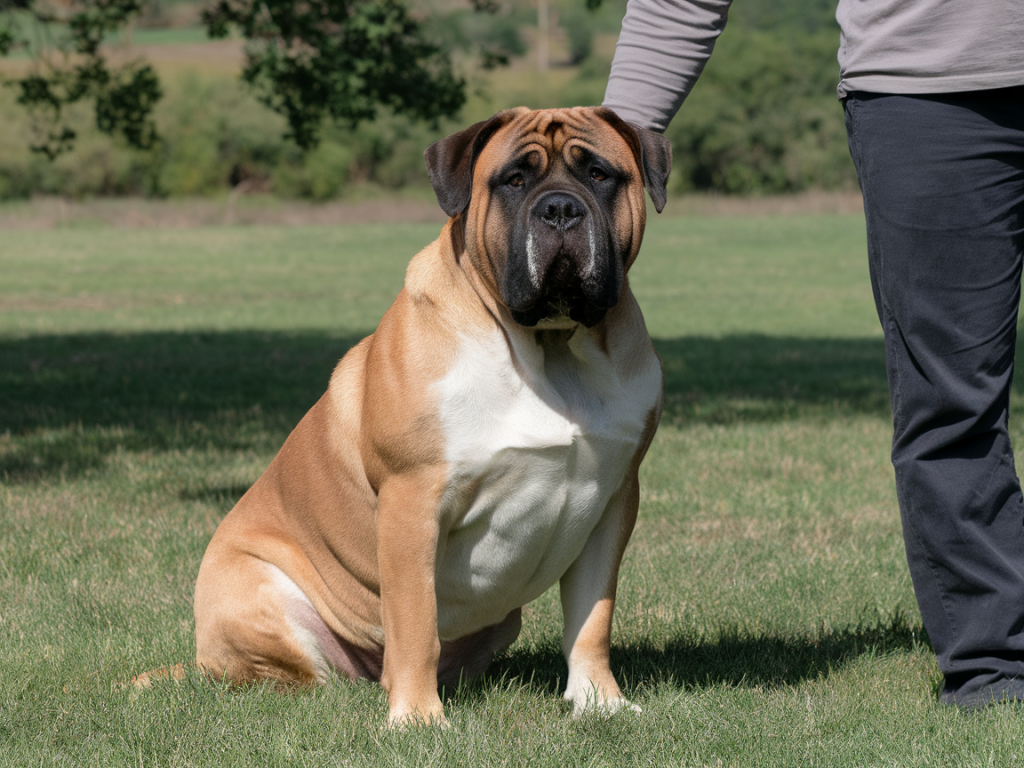
Seasonal atopic dermatitis is one of those issues that can make a beautiful Bullmastiff restless and miserable. Over the years at Shadowguard Bullmastiffs I’ve seen the same pattern: the first warm weeks of spring or late summer bring red, itchy skin, frequent scratching, and restless nights. While severe cases always need veterinary attention, there’s a lot owners can do at home to reduce flare-ups and keep their dogs comfortable using sensible diet changes, targeted bathing routines and practical environmental adjustments.
Understanding seasonal atopic dermatitis in Bullmastiffs
Atopic dermatitis is an allergic reaction to environmental allergens such as pollens, molds, dust mites or certain grasses. In Bullmastiffs, the condition often shows as:
intense itching (face, feet, underarms, belly)red, inflamed or scaly skinexcessive licking and secondary infectionschanges in coat conditionIt’s important to remember that this is a chronic condition for many dogs, and management is about reducing triggers and supporting the skin-barrier and immune response. I always encourage owners to work with their vet to rule out food allergies and to determine if medications (antihistamines, oclacitinib, ciclosporin, or topical steroids) or allergy shots are needed. The home strategies below are to complement — not replace — veterinary care.
Dietary strategies to support skin health
What a Bullmastiff eats influences their skin. I’ve had excellent results combining high-quality nutrition with targeted supplements. Things I focus on:
Omega-3 and omega-6 fatty acids: These reduce inflammation and improve skin barrier function. I often recommend a fish oil supplement standardized for EPA/DHA; brands like Nordic Naturals or Virbac’s Omega 3 are commonly used in clinics. Typical dosing is on the product label or as advised by your vet.Hypoallergenic or novel-protein diets for trial: Because seasonal atopy can coexist with food sensitivities, a 8–12 week elimination diet trial can be revealing. I prefer veterinary-prescribed hydrolysed diets (e.g., Royal Canin Hypoallergenic) or novel-protein home-cooked rotations under vet guidance.High-bioavailable zinc and vitamin E: Both contribute to skin repair. Many commercial joint/skin supplements include these; check dosages with your vet to avoid excess.Probiotics: Gut health can influence immune responses. Products like FortiFlora (Purina) have been useful in my experience for improving coat and reducing flare severity in conjunction with other measures.Consistency is key — it takes several weeks for dietary changes and supplements to show measurable benefits. Keep a food and symptom diary to track what helps.
Bathing and topical care: frequency, products and technique
Bathing is one of the single most effective at-home strategies when done correctly. It removes environmental allergens from the coat and soothes inflamed skin.
Frequency: During flare season I bathe affected Bullmastiffs every 7–10 days using a gentle medicated or hypoallergenic shampoo. Outside of flare-ups, every 3–4 weeks is usually enough for most adults.Shampoo selection: Look for products with colloidal oatmeal, aloe, or chlorhexidine if there’s a bacterial concern. For intense itching, shampoos containing hydrocortisone (over-the-counter veterinary formulations) can be helpful for short-term use. Examples: Douxo Calm, MalAcetic (for yeast), and Virbac’s Epi-Soothe.Technique: Wet thoroughly, lather and leave the shampoo on for the recommended contact time (often 5–10 minutes) before rinsing — this maximizes allergen removal and product efficacy. Use a soft-bristle brush to help remove dander and dead hair, especially around folds and under the tail.Conditioners and rinses: A leave-on conditioner rich in fatty acids can aid barrier repair. Avoid heavily fragranced products which may irritate sensitive skin.After bathing, dry your Bullmastiff completely — trapped moisture can lead to yeast infections. I often use a high-absorbency towel and a low-heat dryer on broad settings if the dog tolerates it.
Environmental changes to reduce allergen exposure
Limiting exposure to the triggers that cause seasonal atopy is hugely rewarding and often underused by owners.
Keep the indoor environment clean: Vacuum frequently with a HEPA filter vacuum, wash bedding weekly in hot water, and consider a HEPA air purifier in the main living room or where your dog sleeps.Manage outdoor access: During high pollen days I shorten walks and exercise early in the morning or after evening rains when pollen counts are lower. I avoid long runs through fields heavy with grass and weeds.Post-walk wipes: Keep pet-friendly allergen wipes by the door and wipe paws, belly and folds after every walk. This simple step removes pollen before it’s tracked into the house.Clothing and mats: Use washable entrance mats and consider a washable dog coat during particularly bad pollen seasons to reduce the amount that sticks to the coat.Practical home routines I use at Shadowguard
Here’s a routine I often recommend to Bullmastiff owners dealing with seasonal flares:
Morning: quick paw and face wipe with a pet-safe wipe; check ears and skin folds for redness.Bathing schedule: medicated bath every 7–10 days during flare season; conditioner leave-on after baths once or twice weekly.Dietary support: add fish oil daily and a probiotic; monitor for improvements over 6–8 weeks.Home cleaning: vacuum thrice weekly during peak pollen times; run HEPA air purifier while home.Vet check: scheduled follow-up if flare worsens or if secondary infections (pus, strong odor, crusting) appear.Quick reference table: product choices and when to use
| Issue | Recommended product type | Notes |
| Mild itching | Colloidal oatmeal shampoo (Douxo Calm) | Bath every 7–10 days; leave-on conditioner optional |
| Yeast or malodour | MalAcetic or chlorhexidine shampoo | Alternate with oatmeal shampoo; check with vet for frequency |
| Systemic inflammation | Fish oil (EPA/DHA) + zinc/vitamin E supplement | 6–8 weeks to see effect; verify dose with vet |
| Severe flares | Veterinary-prescribed medication (oclacitinib, ciclosporin) | Used in combination with home care |
If your Bullmastiff struggles during season changes, small, consistent changes often lead to big improvements. Keep a diary, stay in close contact with your veterinarian, and adjust routines based on what helps your individual dog. If you want, I can share a printable checklist for seasonal management tailored to Bullmastiffs on ShadowguardBullmastiffs.co.uk — just say the word and I’ll prepare it for the blog.