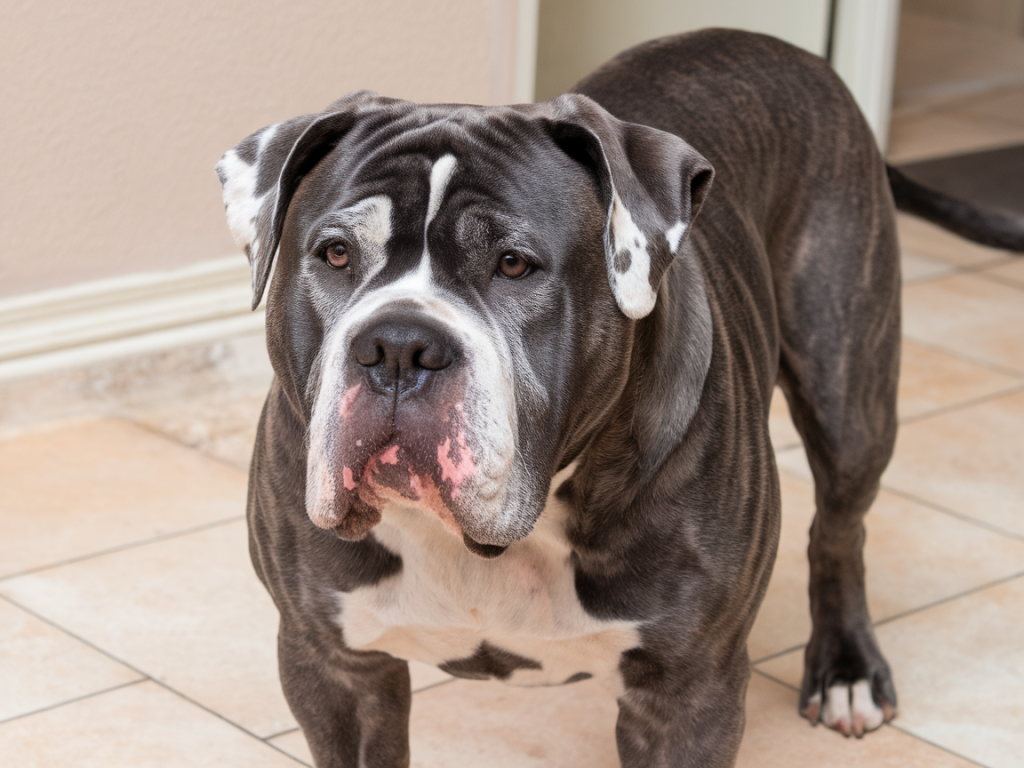
When I first started breeding and caring for Bullmastiffs, hypothyroidism was one of those health concerns that I learned about the hard way. Over the years I’ve seen dogs come in with vague, slowly developing problems that were dismissed as “ageing” or weight issues, when in fact their thyroid function was quietly failing. In this piece I’ll share how I recognize the subtle early signs, which blood tests I ask my vets to run, and a practical treatment and follow-up plan I use with the dogs in my care and with rescue cases I rehabilitate.
Why Bullmastiffs are at risk
Bullmastiffs are a large-breed dog and, like many large and giant breeds, they can be predisposed to endocrine disorders. Hypothyroidism — typically primary hypothyroidism due to autoimmune thyroiditis or idiopathic atrophy of the thyroid gland — shows up most often in middle-aged dogs, but it can present earlier. Because the signs are often subtle and slow to develop, owners and even some clinicians can miss the diagnosis unless they’re looking for it.
Subtle early signs I watch for
Early hypothyroidism rarely arrives as a dramatic collapse. Instead, I look for patterns and small changes over months. Here are the most common, subtle signs I pay attention to:
- Weight gain or difficulty losing weight despite a stable diet and normal activity. This is often the first thing owners notice.
- Change in coat quality — thinning coat, dry or coarse hair, or symmetrical hair loss (often on the flanks, tail, or neck). Bullmastiffs with otherwise good grooming routines may suddenly look less glossy.
- Lethargy or reduced stamina. The dog might still eat and enjoy walks but seems slower, takes longer to recover after exercise, or is less playful.
- Cold intolerance — seeking warmth more often, shivering more in cool weather, or preferring to snuggle under blankets.
- Skin changes — thickened, hyperpigmented skin, recurrent ear infections, or flaky patches that don’t respond to typical topical treatments.
- Behavioral changes — mild depression, slower responsiveness, or less enthusiasm for training sessions.
- Reproductive issues — in breeding stock, irregular cycles or reduced fertility have been linked with thyroid dysfunction.
These signs on their own don’t confirm hypothyroidism. They could be caused by diet, arthritis, Cushing’s disease, allergies, or simply ageing. What worries me is when several signs appear together or when the dog doesn’t improve with reasonable interventions (weight control, controlled exercise, anti-parasitic treatments, dietary changes).
Which blood tests to request
When I suspect hypothyroidism I work with my veterinarian to run a targeted panel. A single test like total T4 isn’t enough to make a reliable diagnosis in all cases, because non-thyroidal illness and certain medications can suppress thyroid hormone levels. I ask for a combination of tests and context.
- Baseline tests:
- Total T4 — a good screening test. Low values raise suspicion.
- Free T4 by equilibrium dialysis — more specific and less influenced by binding proteins.
- Thyroid-stimulating hormone (TSH) — can be elevated in primary hypothyroidism, but note that TSH isn't always reliably high in dogs.
- Additional useful tests:
- Complete blood count (CBC) and biochemistry profile — to rule out concurrent illnesses that could affect thyroid results.
- Urinalysis — to check kidney function which can affect medication dosing and overall health status.
- Anti-thyroglobulin antibodies (if available) — can indicate autoimmune thyroiditis as the underlying cause.
- Dynamic testing:
- T4 stimulation tests or TSH stimulation tests are rarely needed in routine practice but can help in ambiguous cases. These are specialist-level tests and your vet may refer you to an internal medicine specialist if ambiguity persists.
When asking my vet for tests I say: “I’d like a baseline total T4 and free T4 (equilibrium dialysis) plus TSH, and a basic CBC/chem/urinalysis to exclude systemic disease.” If the dog is on medication such as glucocorticoids, phenobarbital, sulfonamides or NSAIDs regularly, I mention it, because those drugs can interfere with results.
How I interpret results in practice
Interpretation must be clinical. A low total T4 with a normal free T4 and normal TSH — in an otherwise healthy dog — may point to non-thyroidal illness or a transient suppression. A low free T4 plus elevated TSH and consistent clinical signs is much more suggestive of true hypothyroidism. Positive anti-thyroglobulin antibodies add weight to a diagnosis of autoimmune thyroiditis.
| Pattern | Likely interpretation |
|---|---|
| Low total T4, low free T4, high TSH | Consistent with primary hypothyroidism |
| Low total T4, normal free T4, normal TSH | Possible non-thyroidal illness or drug effects — investigate other causes |
| Normal total T4, low free T4, normal/high TSH | Consider specialist testing or repeat testing — may be early hypothyroidism |
Treatment: starting therapy and practical tips
If the diagnosis is supported, the standard treatment is levothyroxine (synthetic T4). I’ve had good experiences using generic levothyroxine or brand options such as Soloxine (if available). Key practical points I use with owners:
- Start at the commonly recommended dose (usually ~0.02 mg/kg twice daily for many dogs, but dosing must be tailored by your vet). I always emphasise the importance of the first dose being carefully measured — tablets can be small and dosing errors happen.
- Administer on an empty stomach, typically 30–60 minutes before feeding, to ensure consistent absorption.
- Be consistent with timing and do not switch brands or formulations without consulting the vet, because bioavailability can vary.
- Monitor for side effects — increased appetite, restlessness, or panting can indicate overtreatment (iatrogenic hyperthyroidism) and require dose adjustment.
Follow-up plan I implement
An effective follow-up plan is essential — thyroid management is a long-term commitment. This is the schedule I recommend and follow:
- Re-check 6–8 weeks after starting therapy: measure total T4 (ideally trough level just before the morning dose), and clinical assessment. The goal is to get T4 into the mid-to-upper reference range and see clinical improvement.
- Adjust dose if needed, based on both lab values and how the dog is doing clinically. If the dog is improving clinically but T4 is low-normal, I often prioritise the clinical picture while ensuring safety.
- Re-check every 6 months for the first year, then at least annually once stable. Always repeat CBC/biochemistry at least annually to screen for other issues and monitor for side effects of long-term therapy.
- If the dog’s condition changes — weight gain, new lethargy, or signs of overactivity — bring them in for re-testing sooner.
What I do for rescue and difficult cases
In rescue work I frequently meet dogs whose histories are unknown and who present with multiple issues. I start with a thorough clinical examination and baseline bloodwork. If thyroid results suggest hypothyroidism but the dog also has infection, skin disease or is underweight, I treat concurrent problems and repeat thyroid testing once the dog is stabilised. Patience is important: overdiagnosis can lead to unnecessary lifelong medication, while underdiagnosis can leave a dog uncomfortable and at risk of secondary problems.
For anxious owners I provide simple written instructions about dosing and what to watch for. I’ve also found mobile reminders (phone alarms) and pill organizers helpful to ensure consistent dosing, especially when a rescue dog is moving between foster homes.
Practical lifestyle and management tips alongside treatment
Medication is only one part of the picture. While managing hypothyroidism I also do the following:
- Review diet for balanced nutrition and adjust calories to the dog’s current condition. For weight control I favour measured meals rather than free-feeding, and I sometimes use weight-management formulas recommended by vets.
- Include joint-friendly supplements (like omega-3 fatty acids) if the dog has stiffness — hypothyroid dogs can develop weight-related joint strain.
- Keep up good grooming to monitor coat changes and skin infections early. Regular photographs can help owners and me track subtle coat improvements or setbacks.
- Maintain gentle, consistent exercise routines — even short daily walks help with weight control and overall wellbeing.
Hypothyroidism in Bullmastiffs is manageable in most cases when it’s identified early and monitored carefully. If you’re worried about your dog, start the conversation with your vet and request a considered thyroid panel — early attention often yields the best outcomes.