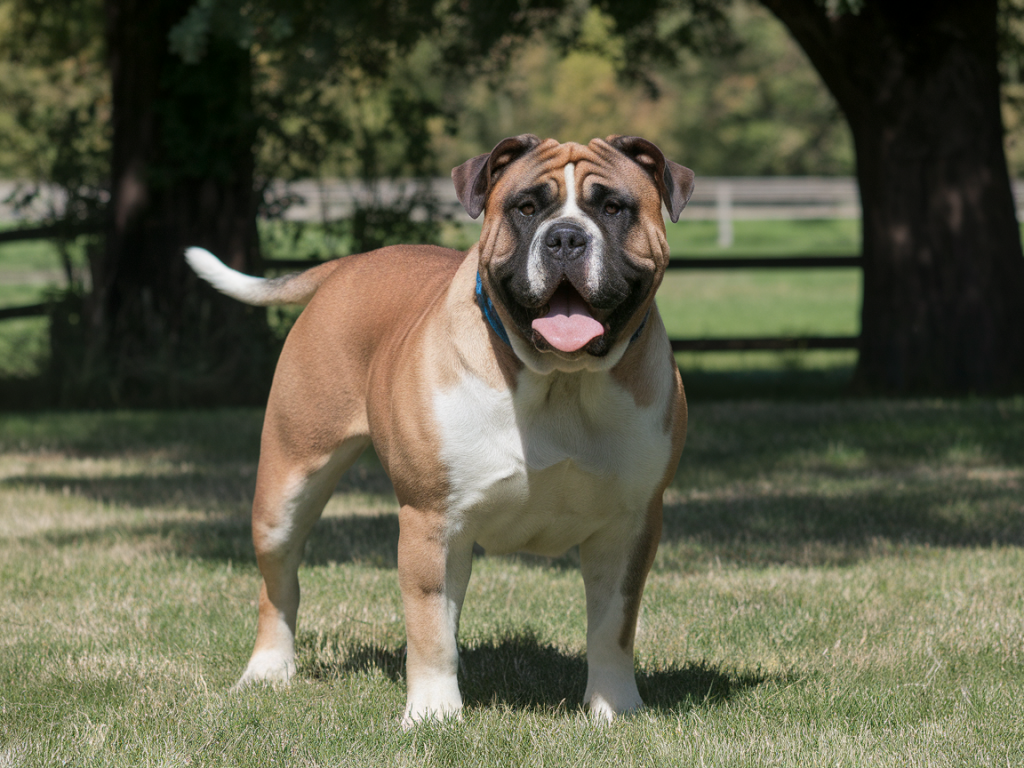
I’ve worked with many Bullmastiffs who panic at the sound of fireworks or during storms. These big, sensitive dogs can go from calm to terrified in seconds, and fear-aggression can emerge when they feel trapped and desperate. Over the years I’ve developed a practical 6-week desensitization and counterconditioning plan that I use with rescue dogs and with clients. Below I share the step-by-step approach I use, the equipment I recommend, and real-world tips from my experience rehabbing fearful Bullmastiffs.
Why this approach works
Two principles guide everything I do: desensitization (gradually exposing the dog to a milder form of the trigger) and counterconditioning (building a positive emotional association to that trigger). For noise sensitivity and storms, the goal is not to “toughen up” the dog but to change how the dog interprets the sound—so thunder or fireworks become predictors of good things, not danger.
It’s vital to move at the dog’s pace. If a Bullmastiff is already showing intense fear or aggressive behaviour, working too quickly will set progress back. When I take in a fearful dog, I start with very low-intensity exposures and lots of predictable rewards. Consistency and patience win every time.
Equipment and supplies I recommend
Baseline assessment (first sessions)
Before starting the 6-week plan, spend a few short sessions assessing your dog’s reaction threshold. Play a thunder or firework sound at the lowest volume and watch your dog’s body language. Note the volume at which the dog first tenses, looks toward the sound, becomes restless, or tries to escape. That volume is the starting point for desensitization—make sure you stay below any sign of distress.
Keep these sessions short (3–5 minutes) and end on a positive note with a high-value reward. I record the starting volume and the dog’s responses so I can track progress.
6-week plan: weekly structure
Each week has three short training sessions (5–15 minutes) plus real-world management strategies for actual storms or fireworks. Do sessions on non-consecutive days to avoid fatigue. Always follow a “low and slow” progression: if the dog shows stress, drop back to the previous level for several sessions.
| Week | Goal | Session focus |
|---|---|---|
| Week 1 | Establish calm at baseline sound | Volume at or below threshold. Pair sound with treats every 2–3 seconds. |
| Week 2 | Increase duration and slightly raise volume | Longer exposure at same volume, then tiny increases (1–2 dB). Continue pairing with rewards. |
| Week 3 | Introduce varied locations and predictability | Short exposures in different rooms, add a cue (e.g., “Storm time!”) before sound, reward for calm. |
| Week 4 | Simulate real-world variability | Use different tracks (distant thunder, closer thunder, short firework bursts) at low volume. Increase positive pairing. |
| Week 5 | Generalize training and reduce reactivity | Layer mild distractions (mild TV noise, door closing) with sound. Encourage choice behaviours (look at handler for treat). |
| Week 6 | Consolidate and prepare for real events | Longer sessions, occasional moderate volume spikes but only if dog remains calm. Practice emergency management plan. |
Detailed session example
Here’s a typical session I run in Week 2:
Counterconditioning specifics
Counterconditioning is where real change happens. Every time the dog hears the sound, something reliably wonderful must follow. That “something” must be better than the dog’s current emotional state—so for many Bullmastiffs, that means sausage, chicken, or an irresistible high-value treat. The sequence should be immediate: sound → treat. Over time the sound itself begins to predict good things.
Teach an alternative behavior the dog can do when they hear the noise: look at you, go to their mat, or sit for a treat. I shape this by rewarding any glance at me during the sound and then gradually asking for a longer hold (e.g., “look” or “mat”). This gives the dog a sense of control and an appropriate response to choose rather than panic.
Handling setbacks and aggression signs
Signs of increased fear or escalation include heavy panting, pacing, lip licking, whale eye, growling when approached, or attempts to escape. If you see these, stop the session, lower the volume, and go back to a level that elicits calm. Never punish fear-based aggression—that only increases anxiety. Instead, manage the environment: provide a safe den (crate with blankets), ensure escape routes are blocked so the dog doesn’t injure themselves, and use calming measures.
If aggression persists or the dog shows severe panic, consult a veterinary behaviorist. In several rescue cases I’ve worked with, short-term medication (e.g., trazodone, imepitoin or a benzodiazepine in specific circumstances) prescribed by a vet made training possible by lowering the panic enough to learn. Medication should always accompany, not replace, behavioural rehabilitation.
Managing real storms and fireworks during the program
When a real event happens, keep expectations realistic. Use calming tools and comfort but save the most intensive counterconditioning for controlled sessions. Over time, the controlled training will transfer to real-world events.
What to expect by week 6
Many dogs show measurable improvement: lower baseline reactivity, quicker recovery after a startle, and willing engagement in counterconditioning exercises. Some dogs become largely resilient to distant thunder and small firework noises. Others need ongoing maintenance and occasional “booster” sessions—just like people, dogs can relapse under heavy stress.
If you’ve worked with shy or traumatized Bullmastiffs before, you’ll know progress can be slow but the rewards are huge: a dog that learns to trust you and to feel safe in situations that used to terrify them. If you’re starting this plan with your dog and want to share how it goes, I’d love to hear about your progress and the little wins along the way.