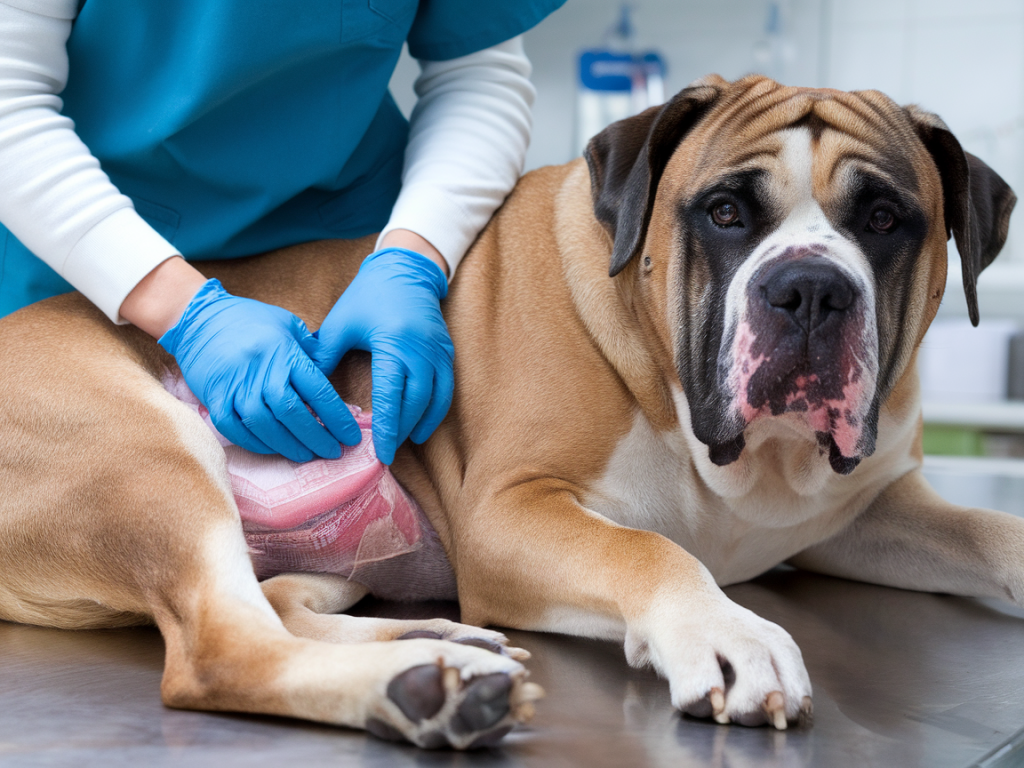
When a Bullmastiff comes home after surgery, the first 48–72 hours set the tone for the rest of recovery. Over years of breeding, training and rehabilitating dogs, I’ve seen excellent recoveries and avoidable setbacks. This checklist is what I use personally and recommend to fellow owners to keep things simple, safe and effective. It covers wound care, how to read pain signals, activity limits to speed healing, and practical tips that make post-operative life less stressful for you and your dog.
Preparing for discharge: what to have ready at home
Before your dog even leaves the clinic, make sure your home is set up to support a calm recovery. I keep a small “recovery kit” that I use for every dog:
Soft, non-slip bedding (orthopedic if possible) — I like memory foam pads with washable covers.Elizabethan collar (E-collar) or an inflatable recovery collar — have both sizes if you’re unsure which will fit comfortably.Muzzle or head halter for safe handling if your dog is painful or disoriented.Scissors, sterile saline, gauze, and vet-approved antiseptic (e.g., chlorhexidine solution diluted per instructions).Pill pockets, a syringe for oral medications, and a written medication schedule from your vet.Hydrophobic adhesive bandage tape and medical adhesive remover wipes.Having these on hand avoids last-minute runs to the store and reduces stress for your Bullmastiff.
Immediate post-op wound care (first 24–72 hours)
Keep the incision clean and dry. Most incisions I’ve handled heal well with minimal intervention, but a few simple rules reduce infection risk:
Do not bathe or immerse the wound until your vet gives the green light (usually 10–14 days).Check the incision 2–3 times daily for swelling, redness, discharge, or an unusual smell.If there’s a little clear or slightly pink discharge in the first 24 hours, it can be normal. Heavy, bloody or pus-like discharge is a problem — call your vet immediately.Use sterile saline to gently cleanse around the wound if it becomes dirty. Pat dry with sterile gauze and leave it uncovered unless advised to bandage.If a bandage is applied, change it only as directed by your vet. Keep an eye for slipping or tightness that could hamper circulation.Recognizing pain signals specific to Bullmastiffs
Bullmastiffs hide pain well; their stoic nature can trick owners into thinking recovery is going smoothly when it isn’t. Watch for these subtler signs:
Change in appetite — less interested in food or treats than normal.Reduced interaction — withdrawal from family activities or hiding.Altered posture — standing with a hunched back, reluctance to lie down, or shifting frequently.Guarding a body part — snapping or growling when the incision area is touched (always a sign to stop and consult your vet).Excessive panting, pacing or restlessness, especially at night.Unusual lethargy — but also be wary of the opposite: sudden hyperactivity that risks tearing sutures.Use these signals with a simple scale: if your dog shows one or two subtle signs, increase monitoring and consider contacting the vet. If you notice multiple signs or severe behaviors (collapse, seizures, unresponsiveness), seek emergency care.
Medication and pain management
Follow your vet’s prescription exactly. I’ve seen owners double-dose NSAIDs thinking it helps, which risks serious side effects. A few practical tips:
Set alarms for medication times and keep a written log of doses given.If your dog refuses pills, try pill pockets or hide the tablet in a small amount of wet food or cream cheese (confirm with your vet first that the extra food is safe).Discuss multimodal pain management — combining NSAIDs with short-term opioids or gabapentin can improve comfort for large breeds like Bullmastiffs.Topical pain patches (fentanyl) are sometimes used for larger dogs — only under direct veterinary guidance.Activity limits and safe exercise
Restricting movement is crucial. Bullmastiffs are powerful and can easily stress sutures if allowed to be too active. My routine:
Strict rest for the first 7–14 days — crate or small-room confinement works best. Keep the crate comfortable and never use it as punishment.Short, on-leash toilet breaks only. Aim for 5–10 minute walks, 3–4 times daily for relief, not exercise.No stairs, no jumping on furniture, no rough play — use baby gates and ramps to control movement.After the initial rest, your vet will usually recommend a gradual return to activity: short leash walks increasing slowly over 2–4 weeks depending on the procedure.When to call the vet: red flags
Call your vet or emergency clinic immediately if you notice:
Heavy bleeding that doesn’t stop after 10–15 minutes of gentle pressure.Signs of infection — increasing redness, swelling, heat, foul-smelling discharge, or fever.Difficulty breathing, severe lethargy, collapse, or seizures.Sutures that open or a sudden bulge near the incision (possible hernia or dehiscence).Vomiting, diarrhea, or loss of appetite that persists beyond 24 hours.Practical tips for comfort and prevention
These small changes make recovery smoother:
Keep the environment calm — low noise, comfortable temperature, and minimal visitors for the first week.Use an inflatable collar if your dog refuses a rigid E-collar, but ensure it prevents licking the incision.Offer easily digestible food and plenty of fresh water. Some dogs prefer warmed wet food post-op.Use gentle massage away from the incision to reduce neck or back tension if cleared by your vet.Record-keeping and follow-up
Documenting recovery helps spot trends and provides useful info at follow-up appointments. Keep a simple table like this in your recovery notebook:
| Date/Time | Medication Given | Food/Water Intake | Urination/Defecation | Notes (incision, behavior) |
| 2026-08-01 08:00 | Carprofen 75mg | 150g wet food | Urinated | Incision clean, rested well |
Bring this log to your post-op check. It’s invaluable for your vet in adjusting pain meds or spotting complications early.
Rehabilitation and returning to normal
Once your vet clears your Bullmastiff for increased activity, introduce movement gradually. Controlled leash walks, gentle range-of-motion exercises, and short play sessions that avoid high-impact activity are the way forward. I sometimes recommend hydrotherapy for dogs with orthopedic procedures — it’s low-impact and builds strength without stressing healing tissues. Ask your vet or a certified canine rehabilitation therapist for referrals.
If you need more detailed templates or a printable checklist tailored to the specific surgery your dog had, I can create one based on the procedure and your vet’s instructions. You’re not alone — recovery is a process, and with the right care, most Bullmastiffs make a strong comeback.