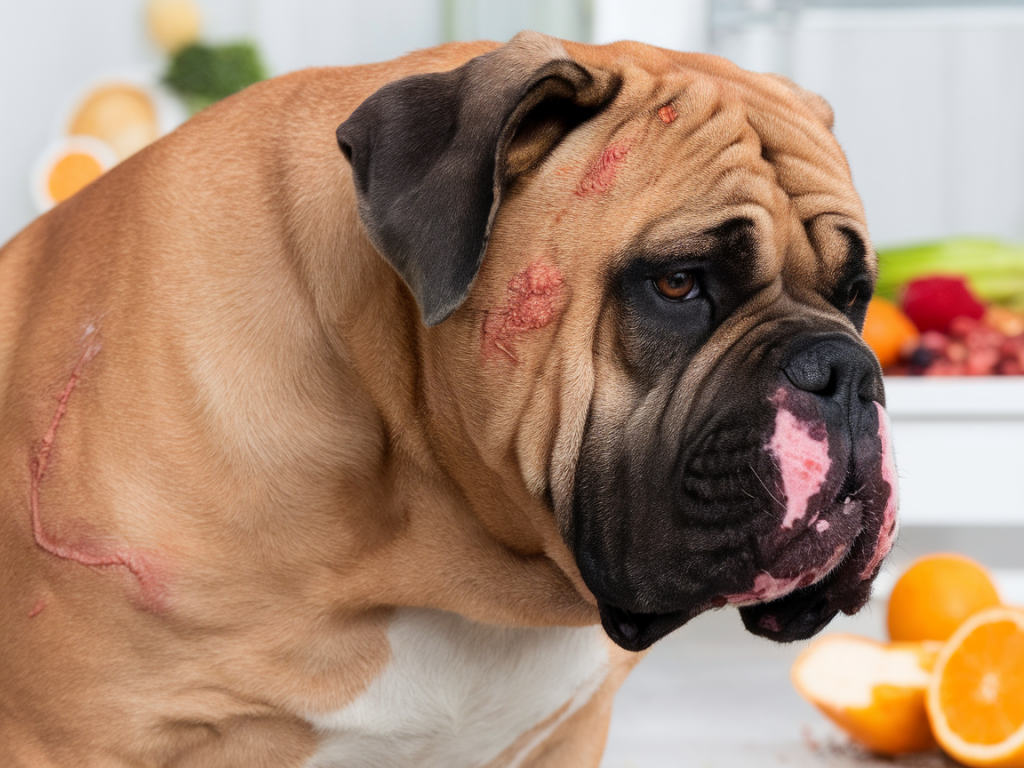
I’ve dealt with more than a few puzzling skin rashes, chronic ear infections and intermittent gastrointestinal upset in Bullmastiffs over the years. Some of these problems are straightforward to treat; others point to food-related sensitivities that are not always obvious. When a dog reacts to an atypical ingredient — something not commonly recognised as a major allergen — it can take patience and a systematic approach to identify the culprit. Here I share a clear, practical elimination diet and reintroduction protocol that I use with the Bullmastiffs in my care and with rescue cases I rehabilitate.
Why an elimination diet matters for Bullmastiffs
Food reactions in Bullmastiffs can present as chronic itching, recurrent hot spots, ear inflammation, soft stools, vomiting, or changes in behaviour like increased restlessness. Because Bullmastiffs are prone to skin issues and ear problems, I never assume a flare-up is purely environmental or parasitic — especially if it’s persistent. An elimination diet is the most reliable way to link symptoms to a specific ingredient: it removes all potential suspects and then reintroduces them one at a time to observe the reaction.
When to use an elimination diet
Use an elimination diet when:
Always start this process after a consultation with a veterinarian. Severe reactions or acute illness need immediate veterinary attention rather than a home protocol.
Preparing for the protocol
Before you begin, do the following:
The elimination phase (minimum 8–12 weeks)
The standard elimination phase lasts 8–12 weeks, sometimes longer if symptoms are slow to resolve. For Bullmastiffs, I prefer at least 10 weeks because their skin can take time to calm and regenerate.
Documenting what to watch for
Keep a simple daily log. Important things to note:
Reintroduction phase — how to test individual ingredients
Once your Bullmastiff shows clear improvement on the elimination diet (significant reduction in itchiness and better stool consistency), you can begin systematic reintroduction. The aim is to add back single ingredients, one at a time, and watch for recurrence of symptoms.
Practical tips and common pitfalls
- Be patient: Rushing reintroduction can cause overlapping reactions that make it hard to identify the true trigger.
- Avoid cross-contamination: Use separate bowls, or thoroughly wash bowls between feeds. Small crumbs can spoil the trial.
- Don't rely on commercial “limited-ingredient” foods unless they truly contain only the single protein/carbohydrate you’re testing.
- Supplements and flea products: Some topical flea treatments contain ingredients that can mimic food reactions. Keep treatment protocols consistent or note any changes.
- Dental chews and flavoured medications: These are frequent hidden sources of allergens. Replace flavoured chews with plain bully sticks or vet-approved treats that match your elimination diet.
Sample weekly schedule (table)
| Week | Plan |
| 1–10 | Elimination diet only. Daily symptom log. |
| 11 | Introduce test ingredient A in small amounts. Observe 10–14 days. |
| 12–14 | If no reaction, continue testing ingredient B. If reaction occurs, revert to elimination diet until improvement, then test a different ingredient after baseline returns. |
When reintroduction shows a reaction — next steps
If a specific ingredient causes a relapse, remove it immediately. Confirm the diagnosis by repeating the reintroduction once symptoms have returned to baseline — some owners repeat the test one more time to be sure. For confirmed allergens, avoid that ingredient permanently and work with your vet to create a balanced long-term diet. In some cases, multiple ingredients may be involved; complex food hypersensitivities require careful management and sometimes prescription diets.
Real-life example
One of my foster Bullmastiffs developed severe ear inflammation and persistent licking. After 10 weeks on a rabbit-and-pea elimination diet her ears cleared and licking reduced. I reintroduced chicken first — within five days the ears inflamed again. We confirmed chicken as a trigger and later discovered a secondary reaction to egg. Removing both from her long-term diet resolved the problems for good. That dog now thrives on a balanced novel-protein diet with supplements recommended by our vet.
Working with your veterinary team
Throughout the process I keep close contact with a veterinarian — especially if the dog’s condition worsens or if weight loss, severe diarrhoea or systemic signs appear. Blood tests or skin biopsies can sometimes be useful to rule out other causes. Pet insurance or a budget for prescription diets can make this process easier, as veterinary hydrolysed diets are often expensive but highly reliable for elimination trials.
Detecting atypical food allergies takes time and diligence, but the payoff is huge: a happier, itch-free Bullmastiff that can enjoy life without constant discomfort. Keep your notes, be systematic, and don’t hesitate to seek professional help when needed — these dogs repay the effort a thousandfold.