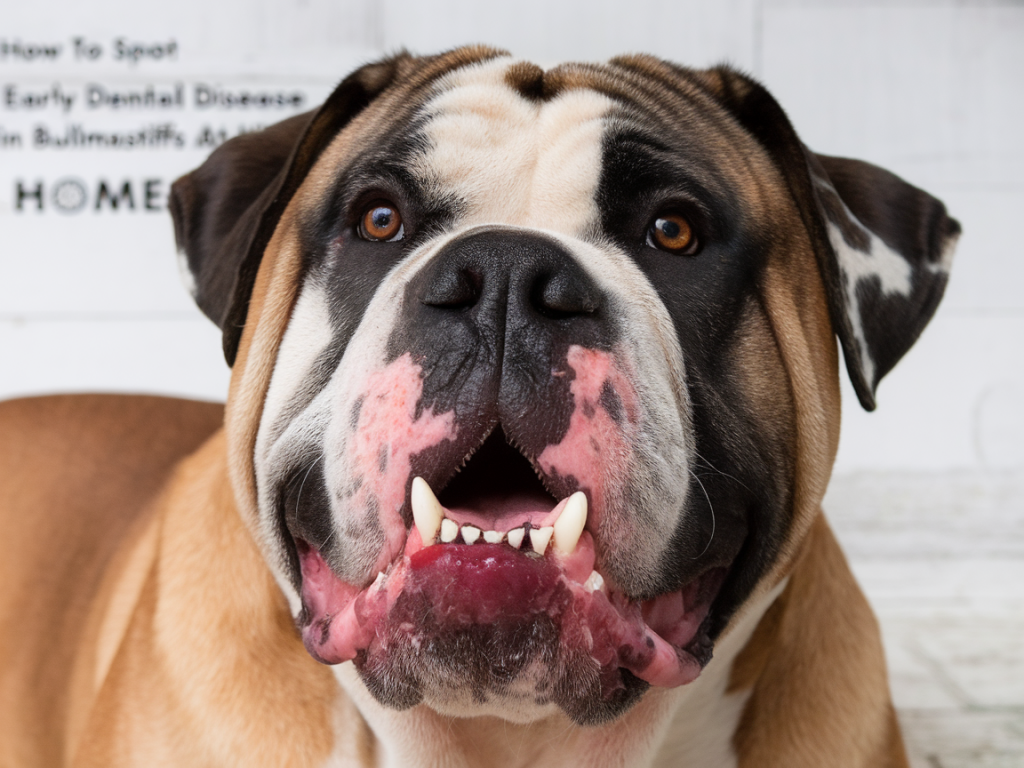
I check my dogs' mouths almost every day. Not because they enjoy it, but because with Bullmastiffs — powerful, stoic, and prone to specific dental issues — early detection makes all the difference. Over the years I’ve learned how small changes at home can prevent painful infections, keep vet bills manageable and spare a dog unnecessary discomfort. Below I’ll share the simple at-home checks I do, gentle cleaning techniques that work for Bullmastiffs, and clear signs that mean it’s time to escalate to the vet.
Why dental health matters for Bullmastiffs
Bullmastiffs often hide pain well. Their large heads and heavy muzzles can mask bad breath, swollen gums or tartar until a problem is advanced. Left untreated, dental disease can lead to tooth loss, chronic pain and even systemic issues like heart or kidney problems. In my experience, owners who start regular checks and cleaning early give their dogs the best chance of avoiding serious disease.
Simple at-home mouth checks (do this weekly)
Spend a minute or two, ideally after a walk or during a calm petting session, and run these checks. Keep treats handy to create a positive association.
- Look: Gently lift the lips and look at the gums and teeth. Healthy gums are pink (some pigmentation is normal). Look for redness, swelling, white/gray tartar on the teeth, or dark areas at the gum line.
- Smell: Mild dog breath is normal, but strong, persistent foul breath (halitosis) often signals bacterial overgrowth or infection.
- Feel: With a gloved finger or clean cloth, feel the gum line for bumps, looseness, or bleeding. Don’t force anything — just gentle pressure to check for sensitivity.
- Watch: Observe eating: reluctance to chew on one side, dropping food, or preferring soft food may indicate dental pain.
- Note behavior: Head shaking, pawing at the mouth, or altered play with toys can be subtle signs of discomfort.
Dental scoring table — quick home reference
| Observation | Likely interpretation | Action |
|---|---|---|
| Pink, firm gums; clean teeth | Healthy | Continue weekly checks and brushing 3–5x/week |
| Mild tartar (yellowing), slight breath | Early plaque buildup | Increase brushing, consider dental chews (look for VOHC approval) |
| Red/swollen gums, persistent bad breath | Gingivitis | Start vet consult if not improved in 1–2 weeks with home care |
| Brown/black tartar, loose tooth, pus or bleeding | Advanced periodontal disease | Immediate vet visit; likely professional cleaning and possible extractions |
How I introduce painless cleaning
Most Bullmastiffs didn’t grow up with toothbrushes, so I use a gradual, reward-based approach that avoids force and stress.
- Step 1 — Get the lick and touch: I start by letting the dog lick a pea-sized smear of canine toothpaste (poultry or beef flavors work well; I’ve used Virbac and CET with good tolerance). Then I gently rub the outside of the cheek and teeth with my finger for a few days until the dog is relaxed.
- Step 2 — Move to a finger brush: Next I switch to a soft rubber finger brush or silicone brush and let the dog sniff and lick it. I only do short 10–15 second sessions at first, rewarding with treats and praise.
- Step 3 — Short, focused brushing sessions: Once comfortable, I brush for 30–60 seconds per side, aiming for the outside surfaces where plaque accumulates most. Increase frequency to 3–5 times per week. I don’t insist on perfect technique — consistency matters more than thoroughness early on.
Tip: never use human toothpaste; it foams and can upset their stomach. Choose enzymatic canine toothpaste.
Products and tools I recommend
- Toothbrushes: Finger brushes for introduction, then a long-handled, soft-bristled dog toothbrush for deeper reach.
- Toothpaste: Enzymatic dog toothpaste (Virbac CET, Petrodex, or similar).
- Dental chews: Look for VOHC (Veterinary Oral Health Council) seal; Greenies and Hill’s Prescription Diet t/d are examples that can help plaque control when used alongside brushing.
- Water additives and oral gels: Can help reduce bacteria; use as a supplement, not a substitute for brushing.
When cleaning feels stressful — alternatives that still help
Some Bullmastiffs will never accept a toothbrush. In those cases I rely on:
- Daily dental wipes or gels applied to the gum line.
- High-quality dental chews and toys designed to reduce plaque.
- Diet: dry kibbles formulated for dental health (some brands have a specific texture to scrape teeth).
These alternatives reduce plaque progression, but they’re less effective than regular brushing, so I monitor the dog more closely for signs of gingivitis.
Signs that mean “call the vet”
If you see any of the following, book a vet appointment promptly:
- Persistent, strong bad breath despite improved home care.
- Red, swollen or bleeding gums that don’t improve in a week.
- Loose, discolored or broken teeth.
- Visible pus, heavy drooling, difficulty eating or facial swelling (abscess).
- Behavioral changes such as withdrawal, reduced appetite or sudden aggression when mouth is touched.
I once rescued a Bullmastiff mix with severe facial swelling and reluctance to eat. The owners had mistaken decreased appetite for “old age.” It turned out to be a severe tooth root abscess that required extraction and antibiotics. After treatment, the dog’s whole demeanour improved — he became playful again within days. That’s why escalation matters.
What to expect at the vet
For advanced disease, the vet will often recommend a professional dental cleaning under general anaesthesia, full dental charting and dental radiographs. Extractions or root treatments may be necessary. Ask your vet about pre-anaesthetic bloodwork and local pain control options — I always discuss multimodal pain management and a clear post-op plan.
Preventive plan I follow for my dogs
- Weekly oral checks and daily or near-daily brushing where possible.
- VOHC-approved dental chews a few times per week, not as replacements for brushing.
- Annual dental exam at the vet; dental x-rays if any concerns arise.
- Soft-to-medium textured toys to encourage gum stimulation without damaging teeth.
Prevention is a long game. Small, consistent actions keep my Bullmastiffs comfortable and lower the chance of sudden, painful problems.
If you’d like, tell me about your dog’s current dental routine and any symptoms you’ve noticed — I can suggest specific next steps or a practical introduction plan tailored to your dog’s temperament and history.