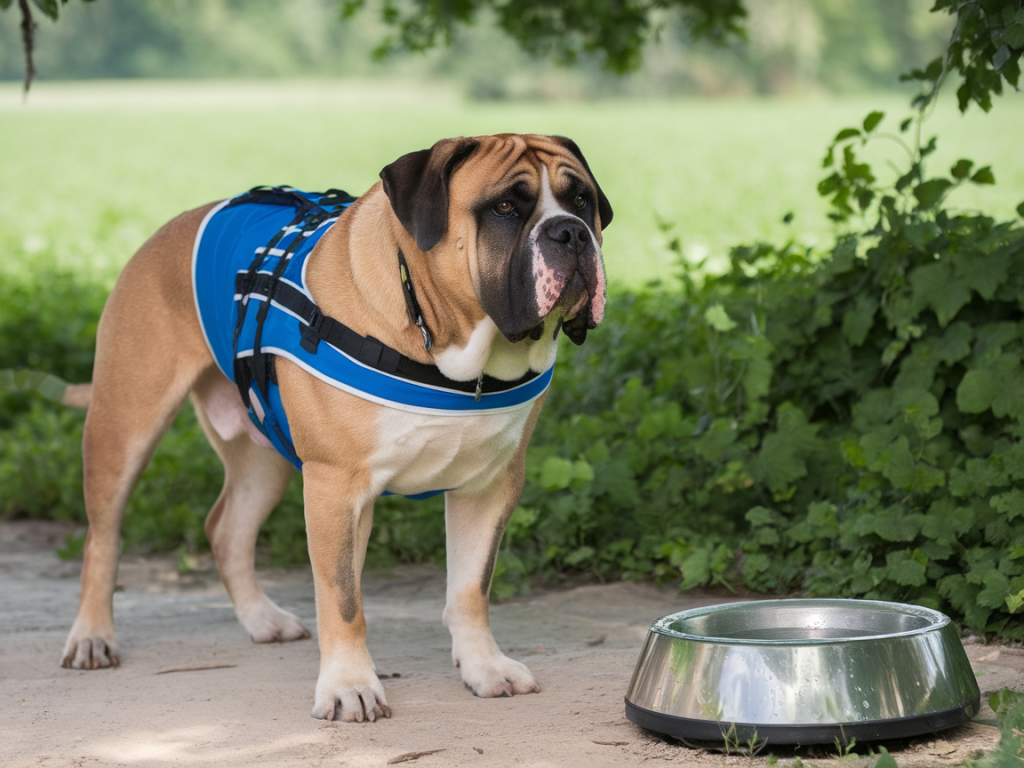
Hot days make me extra mindful of my Bullmastiffs — their size, thick heads and short muzzles mean they can overheat faster than many people expect. Over the years at Shadowguard, I’ve tested and adapted a range of cooling strategies that work reliably for adult Bullmastiffs, seniors, and the rescue dogs that come through my home. Below I share practical shade setups, cooling vest options, and safe water-play ideas that I use with my dogs and recommend to other owners.
Recognizing when your Bullmastiff needs cooling
Before we get into gear and play, it’s important to know the signs that your dog is struggling with heat. I watch for:
- Heavy panting that doesn’t ease after a few minutes at rest
- Excessive drooling or thick saliva
- Reddened gums or tongue
- Lethargy, stumbling or uncoordinated movements
- Vomiting, diarrhea, or collapse — these are medical emergencies
At the first sign of serious heat distress I move the dog into shade, offer cool (not ice-cold) water, and apply cool, damp towels to the neck, chest and groin while contacting my vet. Prevention is far better, though — so I set up cooling systems before it gets dangerous.
Shade setups that actually work
Natural shade is best when available — large trees or covered porches give cooler, more stable temperatures than thin fabric. But when natural shade isn’t an option, here are the setups I use:
- Canvas sun sails — I mount heavy-duty sun sails over the run or yard. They block UV and drop the surface temperature significantly. Make sure the sail is high enough for air to circulate beneath it.
- Pop-up dog tents — Great for travel or temporary shade at the park. I keep one in the car for beach days. Choose models with mesh sides for ventilation.
- Portable canopies with side flaps — These create a cooler microclimate when weighted or staked down. I add reflective tarps on the canopy top during extreme heat to reflect sun away.
- Cooling mats — Place a gel or refrigerant cooling mat in the shaded area. My dogs often rest on a mat during the hottest hours. Brands like K&H and Green Pet Shop make durable pads; for Bullmastiffs I choose large, heavy-duty options.
Cooling vests and how to use them safely
Cooling vests can be a lifesaver for walks, vet trips, or when you’re transporting a dog in a non-air-conditioned vehicle. I prefer vests that use evaporative cooling rather than ice packs — they’re safer and provide longer-lasting comfort for heavy-breathed breeds.
- Evaporative cooling vests — Soak them in water, wring and put them on. Evaporation draws heat away from the body. Ruffwear's Swamp Cooler and Kurgo's Wander Cooling Vest are examples that balance coverage and movement.
- Gel/ice-pack vests — These can be effective but require close supervision; direct ice packs against the skin can cause localized cold injury. I use them only for short periods during transport, cushioned by fabric layers.
- Fit matters — Make sure the vest covers chest and flank but doesn’t restrict breathing or movement. Bullmastiffs often prefer vests that fasten around the chest with wide straps rather than narrow buckles.
Safe water-play ideas
Water is one of the most enjoyable and effective ways to cool a Bullmastiff, provided it’s done safely. Some of my favorite water options:
- Kiddie pools — A robust plastic pool works well for slow, splashing play. I keep water depth shallow for heavy dogs and supervise all sessions. Some of my rescues took time to learn that pools are fun, so I start by encouraging paw-dipping and treats.
- Sprinklers and misting systems — Sprinklers are great for energetic play and can be used in the yard for supervised cooling. Misting systems over shaded areas provide continuous evaporative cooling without soaking the coat.
- Shallow streams and dog-friendly lakes — If you’re near safe water, many Bullmastiffs love to wallow. I check currents and water quality first, and always rinse off chlorinated or salty water afterward to protect skin.
- Frozen treat enrichment — Freeze low-sodium broth, plain yogurt or dog-safe fruits in a Kong or ice tray. It’s both cooling and mentally engaging.
Practical on-the-go tips for hot-weather outings
- Walk timing: I walk early morning or after sunset. Asphalt can burn paws long before air temperature feels hot; if it’s too hot for your hand, it’s too hot for paws.
- Portable shade: I carry a lightweight umbrella or pop-up shade for longer rests during outings.
- Water supply: Always bring a dedicated bowl and at least 500–1000 ml of water per dog for shorter trips; more on long outings. Collapsible bowls and insulated bottles help keep water cool.
- Transport cooling: Use a ventilated crate, cooling mat, and a frozen bottle wrapped in a towel in the car. Never leave a Bullmastiff unattended in a parked vehicle.
Temperature guidelines and a simple reference table
Every dog is an individual, and humidity makes a huge difference. Below is a conservative reference I use when planning activities:
| Air Temperature (°C) | Recommended Actions |
|---|---|
| < 20°C | Normal activity; still avoid mid-day sun for extended play |
| 20–25°C | Monitor for heat signs; prefer shaded walks and short play sessions |
| 25–30°C | Limit activity, use vests, provide constant water and shade |
| > 30°C | Minimal activity; supervised water play only; avoid exertion |
Grooming and coat care for better cooling
Contrary to myth, shaving a Bullmastiff’s short coat does not necessarily help in the heat and can actually increase sunburn risk. I trim excess undercoat where matting occurs and keep the coat clean so it can ventilate properly. Regular grooming and checking skin folds for moisture and irritation are essential — especially after swimming.
Final practical checklist I use every hot day
- Shade in multiple locations (sun sails + natural shade)
- Fresh water and a portable bowl
- Cooling mat or vest packed for outings
- Supervised shallow water play option
- Knowledge of heat-stress signs and vet contact info handy
These are the everyday strategies that keep my dogs comfortable and safe when the temperatures climb. If you want product recommendations tailored to your dog’s size or to the typical weather where you live, tell me your location and your dog’s age/weight and I’ll suggest options that have worked for me in similar conditions.