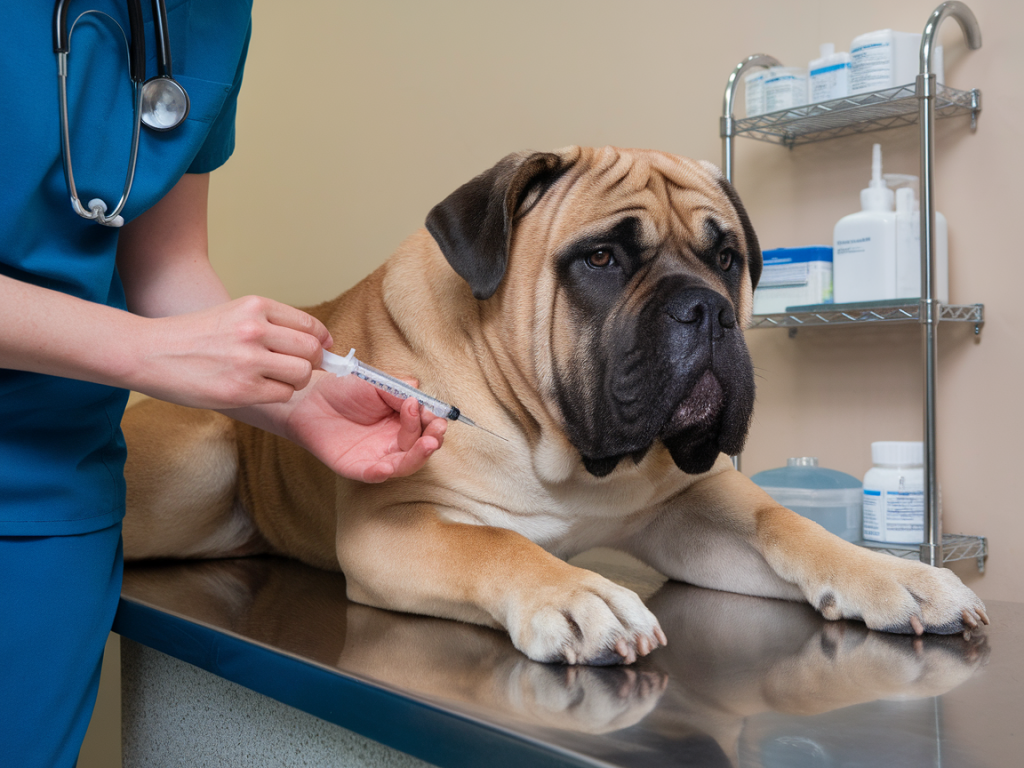
I’ve treated and rehabilitated a fair number of Bullmastiffs with cruciate ligament injuries over the years, both dogs I’ve bred and those I’ve taken in through rescue. It’s one of those injuries that can be confusing and frightening for owners: the diagnosis, the options, the cost, and the uncertain road to recovery. In this piece I’ll walk you through practical at-home support, physiotherapy options I’ve seen work well, and clear signals that surgery is essential. I write from hands-on experience, conversations with vets and physiotherapists, and the real-life recoveries I’ve been part of.
How cruciate injuries present in Bullmastiffs
In my experience, Bullmastiffs usually show a fairly dramatic change when a cruciate (usually the cranial cruciate ligament, CCL) is injured. One day they’re weight-bearing and normal, the next they may be limping, holding the leg up or sitting weirdly to avoid pressure.
Common signs I look for:
Sudden or intermittent lameness on one hind legHesitance to climb stairs, jump or continue a walkSwelling or heat around the stifle (knee)Muscle wasting on the affected hind limb over time“Drawer” movement—your vet checking for instability when manipulating the kneeImmediate at-home care after diagnosis
Right after an injury or when your vet suspects a cruciate tear, the initial steps at home can make a huge difference.
Strict rest: I recommend short, controlled leash walks for toileting only—no running, chasing or stairs—for at least 2–6 weeks depending on vet guidance.Controlled crate or confined rest: Not as punishment, but to limit turning, twisting and sudden movements. Use a comfy bed and make sure the area is large enough for the dog to lie naturally.Cold therapy: Apply a cold pack for 10–15 minutes several times a day during the first 48–72 hours to reduce swelling. Use a towel between pack and skin.Anti-inflammatories: Only use medications prescribed by your vet. Never give human NSAIDs to dogs without veterinary approval.Weight management: Bullmastiffs are big dogs; losing even a small amount of excess weight reduces joint load significantly. I worked with many owners on diet adjustments (high-protein, controlled calories) to help recovery.Physiotherapy and rehabilitation options
Physio is often the unsung hero of recovery. Even if your dog goes for surgery, a structured rehab plan speeds recovery and improves outcomes. If you’re trying conservative management (no surgery), physiotherapy is indispensable.
Passive range-of-motion (PROM) exercises: Gentle flexion and extension, performed correctly, keep the joint mobile and reduce stiffness. I learned precise techniques from a canine physio and always demo them to owners.Controlled weight-bearing exercises: Supported standing, assisted sit-to-stand, and short controlled steps help rebuild muscle. I frequently use a towel sling around the abdomen to support heavier Bullmastiffs while they relearn to load the limb.Hydrotherapy: Underwater treadmill or swimming reduces weight-bearing stress while allowing muscle strengthening. A lot of my dogs respond well to underwater treadmill sessions—especially when they’re pain-free enough to move.Therapeutic ultrasound and laser: These can reduce pain and promote tissue healing; they’re offered by many veterinary rehab clinics. Results vary dog-to-dog, but I’ve seen meaningful improvements combined with exercise protocols.Balance and proprioception work: Using wobble boards, cavaletti poles (very low to start), and uneven surfaces retrains joint awareness and coordination.Conservative management vs surgery: how I decide
Not every cruciate injury requires surgery. I always discuss options with the owner and the vet or surgeon. Factors I weigh include:
Severity and stability of the tear (complete vs partial)Dog’s weight and muscle condition—Bullmastiffs’ size often pushes the decision toward surgeryActivity level and intended lifestyle (working dog vs couch companion)Owner’s ability to commit to strict rest and long-term physiotherapyConcurrent osteoarthritis or other joint diseaseFor a large, heavy breed like the Bullmastiff, I tend to lean toward surgical stabilization more often than I would for a small dog—particularly after a complete rupture. Conservative treatment can work, but it requires excellent owner compliance and a robust rehab plan. In dogs with partial tears or in older, low-activity patients, conservative care sometimes yields a comfortable life.
Surgical options and what I’ve seen work
There are a few main surgical techniques; choice depends on the dog, surgeon and severity:
Tibial Plateau Leveling Osteotomy (TPLO): A common choice for large breeds. It changes the mechanics of the knee so the cruciate is less necessary. I’ve seen excellent recovery rates with dogs returning to high quality of life.Tibial Tuberosity Advancement (TTA): Also changes biomechanics and can work well for certain conformations.Extracapsular repair (lateral suture): Often used in smaller dogs; some surgeons use it in larger dogs but risk of suture failure rises with size and activity.From experience, TPLO tends to be the preferred option for heavyset Bullmastiffs when available and affordable. I always encourage owners to speak with a board-certified surgeon when possible and ask about complication rates, post-op care and rehab plans.
Post-op care and rehabilitation timeline
Surgery is only the start. Post-op rehab is where the outcome is made or lost.
First 2 weeks: Strict rest, incision checks, short leash walks for toileting. Pain control per vet instructions.Weeks 3–6: Gradual increase in activity, controlled leash walks, start of physiotherapy sessions (PROM, light standing exercises).Weeks 6–12: Progressive strengthening, hydrotherapy introduction if tolerated, proprioceptive work.3–6 months: Many dogs return to functional activity; heavy work or agility may require longer.Keep realistic expectations: for Bullmastiffs, full return to high-impact activities can take 4–6 months and excellent rehab compliance. I always track progress with owners—photos, short videos and regular updates help keep everyone motivated.
When surgery is essential—red flags
There are times when conservative care isn’t enough or safe. I advise surgery when:
The dog has a complete rupture with clear joint instability and persistent lameness despite rest and physio.There’s significant muscle atrophy and ongoing pain affecting quality of life.Both cruciate ligaments are affected or the opposite knee shows early failure risk.The dog is a young, active adult with a lifestyle that demands stable joints.Practical tips and product suggestions I use
Small things make life easier through recovery:
Support slings: Look for one rated for large breeds—Ruffwear harnesses or Outward Hound support harnesses work well for assisted standing and stairs.Non-slip flooring: Add runners or grippy mats around the house to reduce slipping while the dog relearns gait.Orthopaedic beds: Memory foam beds (Big Barker or Armarkat large sizes) help arthritic joints and post-op comfort.Joint supplements: Glucosamine, chondroitin and omega-3s can help; discuss brands and dosages with your vet. I often recommend high-quality marine omega-3s as anti-inflammatory support.Hydrotherapy centres: Find a veterinary-referred centre if possible; ask about underwater treadmill vs free swimming options.Every case is unique. If your Bullmastiff faces a cruciate injury, work closely with your vet and a canine physiotherapist. With the right choices—timely diagnosis, consistent rehab and the appropriate surgical decision—many Bullmastiffs go on to live happy, pain-managed lives. If you want, tell me about your dog’s situation and I’ll share specific ideas based on what’s worked for me and the dogs I’ve helped.