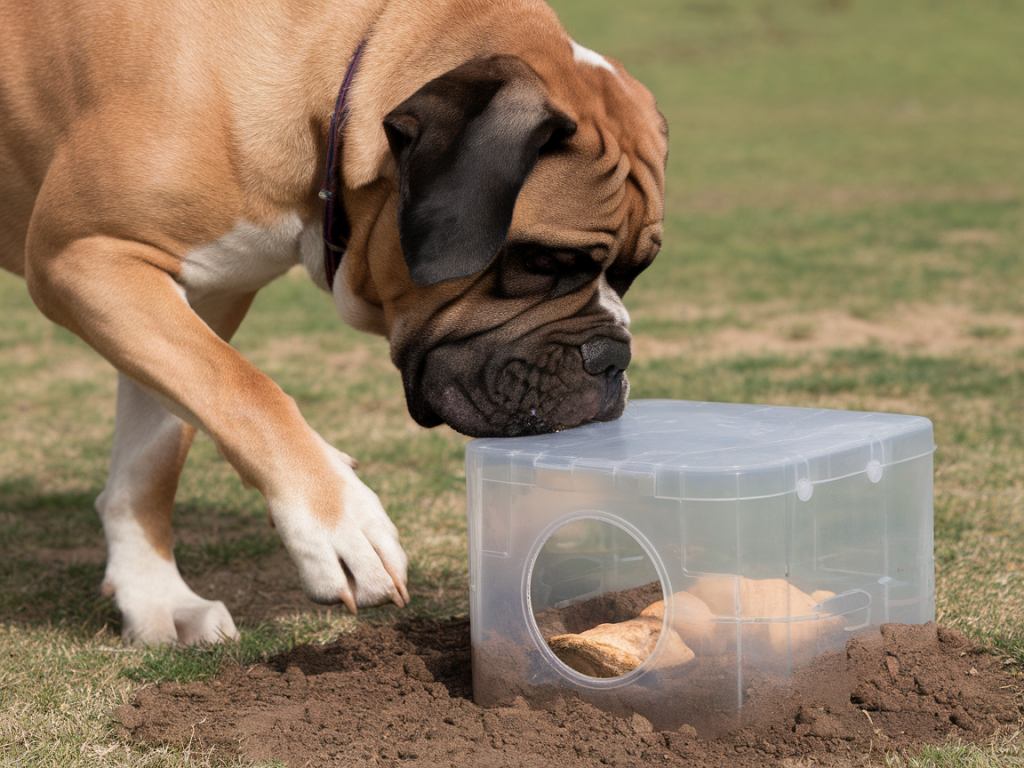
One of the most common calls I get from owners is: "My Bullmastiff is bored and destructive — what can I do?" Over the years I've learned that a deliberate, breed-specific enrichment rotation does more than stop chewing and digging; it builds confidence, channels natural drives, and strengthens the bond between dog and handler. Below I share how I design rotations for Bullmastiffs — the toys I trust, scent work and nose games that actually work with this breed, simple problem-solving activities, and a sample weekly rotation you can start using tomorrow.
Bullmastiffs are large, powerful guardians with strong scenting ability, a calm-but-focused temperament, and a need for purposeful activity rather than constant high-energy play. Enrichment for them should emphasize cognitive challenge, scent work, food-based problem solving and low-impact physical activity. When we get the balance right, destructive behaviours like chewing furniture or tail-chasing drop dramatically.
Principles I follow when creating a rotation
Toys and gear I recommend
Not all toys are equal for Bullmastiffs. Look for durable, low-profile items that encourage chewing, problem-solving or interactive play without encouraging hyperactivity.
- KONG Classic and KONG Extreme: Stuff with wet food, mashed banana, or a mix of kibble and low-sodium broth and freeze. Great for calm, long-lasting occupation.
- West Paw Zogoflex toys: Tough and non-toxic. The Tux and Hurley are especially durable for heavy chewers.
- Starmark Bob-A-Lot or Treat Maze: Adjustable output encourages foraging and slows eating.
- LickiMat: Ideal for a pre-bedtime calming routine—spread peanut butter or yogurt.
- Scent work kits: Simple hide-and-seek scent kits or cotton swabs and a tin for novice nose work.
- Tug toys with breakaway handles: Use short sessions; Bullmastiffs enjoy grip but can overdo it if encouraged.
- Snuffle mats and puzzle feeders: Great for breakfasts or when you need a mental workout.
Scent work and nose games that fit the breed
Bullmastiffs respond beautifully to scent work. Their guardian history involved tracking poachers and intruders; this gives them a natural satisfaction for purposeful smelling. I start with simple searches and gradually increase difficulty.
Mental games for a calm, focused Bullmastiff
Cognitive work should tire the brain more than the body. Mental fatigue reduces unwanted chewing and attention-seeking in the evening.
- Shell game: Three cups, one hiding a treat. Move them slowly at first, then faster. Reward for correct choices.
- Two-stage puzzles: hide treats under a towel on a raised platform so they must divide attention between pawing and sniffing.
- Targeting: teach your dog to touch a target (mat, hoop). Use it to build impulse control — ask for a mat stay before releasing to a reward.
- Working for food: scatter kibble along a hallway for a chase of scent, or use puzzle feeders that require nudging and pawing.
- Impulse-control fetch: hold the ball and ask for a sit or down before you throw. Good for reinforcing calm engagement.
Sample weekly rotation (simple to customize)
| Day | Morning | Afternoon | Evening |
|---|---|---|---|
| Monday | KONG stuffed & frozen | Scent work: container search (10-15 mins) | Short walk + LickiMat before bed |
| Tuesday | Snuffle mat with breakfast kibble | Interactive play: 5×2 min tug sessions | Puzzle feeder + relaxed cuddle |
| Wednesday | Treat-dispensing ball (Bob-A-Lot) | Targeting/impulse control games (15 mins) | Gentle nose trail outdoors |
| Thursday | Chew session: durable chew (West Paw) | Hide-and-seek: person or toy | Short training refresher: sits/downs |
| Friday | Frozen KONG variation | Puzzle feeder + short play | Calming massage + LickiMat |
| Saturday | Outdoor scent trail | Structured walk with recall drills | Evening snuffle mat |
| Sunday | Rest morning: gentle petting | Enrichment rotation: favorite toy | Review training, plan next week |
Troubleshooting common issues
Measuring success and adjusting
Keep a simple log for two weeks: what you offered, duration, and the dog's response (engaged, bored, destructive). You’ll spot patterns — maybe snuffle mats always win in the morning, or scent work is best after a nap. Increase durations only if engagement is sustained. Most importantly: consistent, calm leadership and predictable routines will transform behaviour much faster than sporadic toys and punishment.
Finally, enrichment isn't a replacement for veterinary checks or proper exercise. If a Bullmastiff suddenly becomes destructive, rule out pain or medical issues first. Beyond that, an intentional, breed-aware enrichment rotation is one of the best tools we have to keep these dogs mentally healthy, content and safe in our homes.