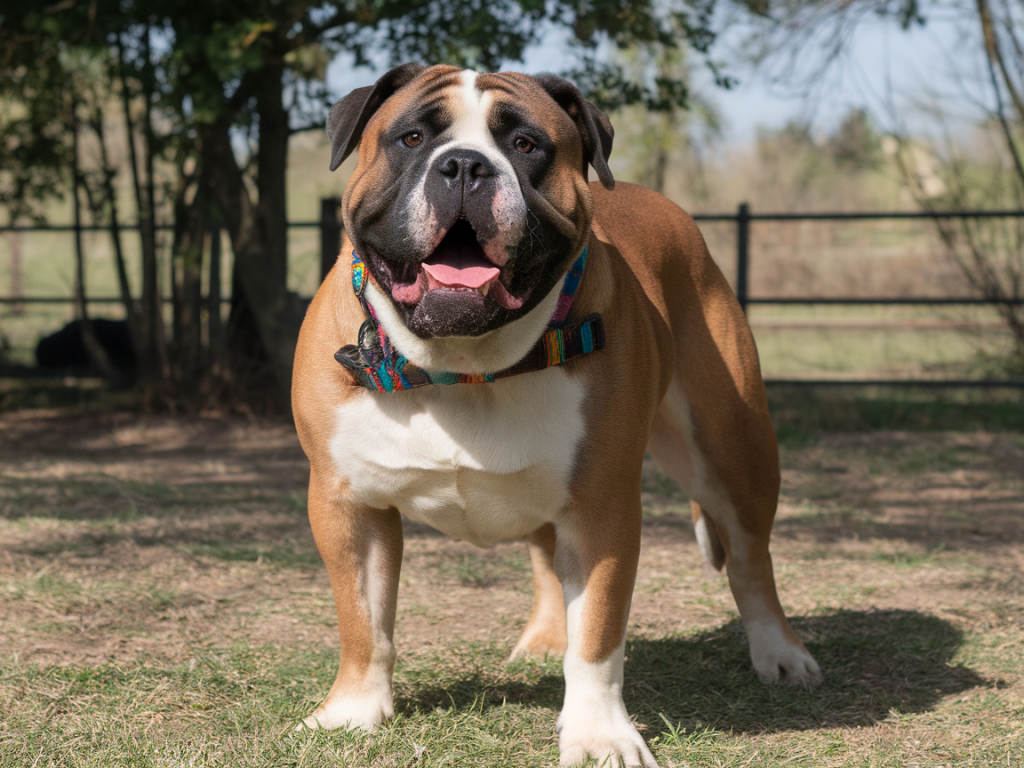
I once had a visitor freeze in my doorway while my Bullmastiff, Hektor, let out a low, uneasy growl. It was the kind of sound that makes you assess whether you should laugh it off or call for help. I’ve been breeding, training and rehabilitating Bullmastiffs for decades, and I’ve learned that growling at guests is a signal—not a diagnosis. It tells you where to start looking: fear, resource concern, over-excitement, or inadequate greeting manners. Below is a calm, step-by-step protocol I use to assess risk and retrain polite greeting behavior in Bullmastiffs. It’s practical, humane, and rooted in positive reinforcement.
Step 1 — Observe and gather information before reacting
When someone tells you “my dog growled at a guest,” the first thing I do is collect details. Reacting emotionally to the growl can escalate things. Ask or note:
- Where did the encounter happen? (doorway, living room, garden)
- What was the guest doing? (reaching for the dog, hugging, carrying a child, wearing a hat)
- Was the dog on or off leash? Behind a baby gate? At the top of the stairs?
- Was the dog eating, sleeping, or guarding a toy?
- Did the dog show other signs: lip lift, whale eye, stiff body, tail position?
- Has the dog growled before? Frequency and context matter.
These details help decide whether the growl was a boundary-setting warning or something that needs immediate management for safety.
Step 2 — Assess immediate risk
Not all growls mean a bite is imminent, but we must be cautious. I use a simple risk scale to decide next steps:
| Low Risk | Medium Risk | High Risk |
|---|---|---|
| Short, single growl; dog relaxes quickly; guest backs away; no prior incidents. | Repeated growling, stiffening, lunging behind a barrier, or history of escalation. | Snapping, lunging with contact, bites (even if just nips), or aggressive charging. |
If you judge medium or high risk, you need management first: prevent further incidents by keeping the dog separated from guests until a plan is in place. Never punish a growl—punishment removes the dog’s warning system and can make future escalation unpredictable.
Step 3 — Immediate management and safety tools
Use sensible barriers and equipment. My go-to tools include:
- A secure crate or separate room where the dog feels safe
- A baby gate to give the dog visual contact without close access
- A front-clip harness and a 2–3m leash for controlled greeting practice
- High-value treats (cubed cooked chicken, small cheese pieces, or commercial high-value treats like Zuke’s Mini Naturals)
For guests who are nervous, ask them to ignore the dog at first: no eye contact, no direct approach, and no sudden moves. Let the dog choose the pace once retraining starts.
Step 4 — Teach polite greeting alternatives (what I call “choose calm”)
Polite greeting is a chain of behaviors: controlled attention, calm approach, and voluntary contact. I break it into small steps using positive reinforcement.
- Step A — Build a strong alternative behavior: Teach a reliable "sit" or "touch" (nose target) for food. If your dog will sit for treats, this becomes the default greeting behavior.
- Step B — Reward non-reactive looks: When a visitor is visible (from behind a gate or through a door), treat for calm looking at the person and then looking back to you. Use small, frequent treats and a marker like “Yes” or a clicker.
- Step C — Gradual approach: Have the guest stand at a distance where the dog is aware but not reactive. Ask for the sit or touch, reward, then have the guest take one small step closer. Repeat, treating each calm response.
- Step D — Add movement and touch carefully: Only after multiple calm repetitions do I allow the guest to offer a hand. They should keep the hand low, palm down, and allow the dog to approach. No hugging or reaching over the head.
Consistency is key: short, regular practice sessions (3–5 minutes, several times a day) work far better than long, sporadic attempts.
Step 5 — Desensitization to common triggers
Guests often trigger dogs because of specific cues: umbrellas, hats, wheelchairs, noisy children. I create controlled exposure exercises:
- Introduce the trigger at a distance where the dog stays calm. Pair the presence of the trigger with high-value treats.
- Gradually decrease distance or intensity across multiple sessions, always staying below the dog’s stress threshold.
- Celebrate tiny wins. If the dog looks briefly at the trigger and back to you, that’s progress.
For example, when Hektor used to stiffen around guests with backpacks, I had friends approach wearing backpacks while tossing him tiny treats as they passed a marked spot. Over weeks he began to associate backpacks with good things.
Step 6 — Reinforce general impulse control
Good greeting manners tie into overall impulse control. Exercises I recommend:
- Leave it games using treats or toys
- Short sit-and-wait for door openings and for guests to enter
- Loose-leash walking practice with reward for attention to handler
These exercises increase the dog’s tolerance for excitement and build a reliable way to ask for calm behavior before a greeting occurs.
Step 7 — When to bring in professional help
Some cases need a behaviorist or trainer: if the dog has bitten, shows escalating aggression despite management, or you feel unsafe implementing these steps. Seek a certified force-free trainer or a veterinary behaviorist. I often work with colleagues who specialize in canine aggression and can tailor a plan that includes medical assessment—because pain or illness can underlie sudden growling.
Practical tips from my experience
- Keep greetings predictable. Ask guests to follow the same steps each time.
- Create a “guest routine” cue—short phrase like “visitors!” so the dog learns the sequence of calm behavior leads to treats and attention.
- Use long-term enrichment to lower baseline arousal: puzzle feeders, scent games, and regular, breed-appropriate exercise.
- Document incidents: note what happened, the context, and the dog’s body language. Patterns will emerge and guide training choices.
Growling is the dog’s honest feedback. If you approach it with curiosity, management, and planned retraining, you’ll often restore safe, pleasant greetings without punishment—and keep both your guests and your Bullmastiff comfortable. If you’d like, I can walk you through a tailored plan for your dog’s specific situation—share the context and I’ll offer next steps.