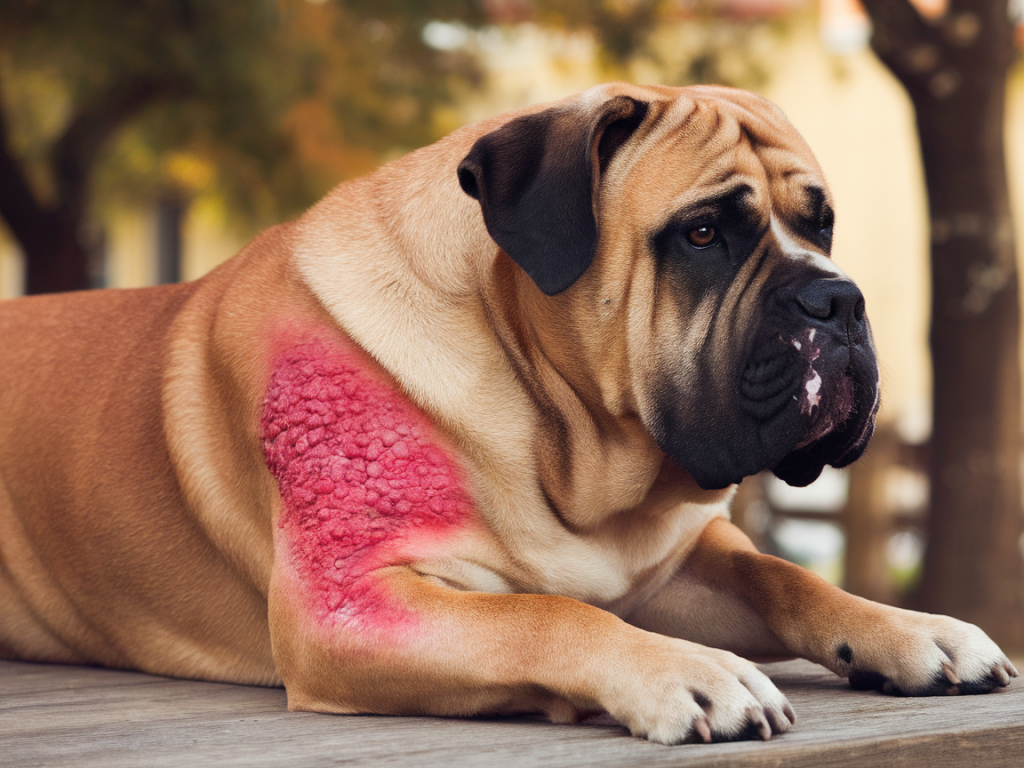
Over the years I’ve seen Bullmastiffs with every kind of skin issue imaginable — from simple hot spots to complex immune-mediated diseases. Early autoimmune skin conditions are tricky because they can creep in slowly, masquerading as allergies or secondary infections. The sooner you spot the warning signs and act, the better the outcome for your dog. Below I share practical, experience-driven ways to detect early autoimmune skin problems at home, simple checks you can do regularly, and clear guidance on when it’s time to see a veterinary dermatologist.
Why Bullmastiffs are at risk
Bullmastiffs have short coats and sensitive skin that can show changes quickly. Their heavy builds and skin folds around the face and neck also create environments where infections or immune reactions can develop. I’ve worked with vets who remind me that genetics, past infections, vaccinations and even stress can influence whether a dog develops an autoimmune skin condition. That’s why I always recommend regular checks — early intervention often prevents severe flare-ups.
Common autoimmune skin conditions to be aware of
Some autoimmune skin issues are rare, but worth knowing about because symptoms can be subtle at the start:
These conditions can cause signs that overlap with allergies, fungal or bacterial infections, so careful observation and diagnostic testing are vital.
Everyday signs that should raise concern
When I examine a Bullmastiff for skin trouble, I watch for a combination of signs rather than a single symptom. Early autoimmune disease often presents as:
If you spot one or more of these, make a note of the timeline and any treatments used — that information helps the vet decide on next steps.
Simple home checks I do with new or returning dogs
I build a short routine into my weekly care. It takes less than five minutes and often catches problems early:
I often use a soft flashlight or my phone torch to get a better view. Photograph any suspicious area with a date stamp — when you see a vet, those photos are invaluable to monitor progression.
Quick at-home tests and what they tell you
There are a few simple things you can do at home that give useful clues, without replacing a vet exam:
Remember: do not lance or attempt to drain lesions at home. That can introduce infection and complicate diagnosis.
When to see your veterinarian (and when dermatology is needed)
Visit your primary vet promptly if you notice:
If your vet suspects an autoimmune process or the problem is chronic or unusual, they may recommend referral to a veterinary dermatologist. I refer sooner rather than later for these reasons:
What I bring to the vet to help the diagnosis
When I take a bullmastiff to the clinic for suspected autoimmune skin disease, I always bring:
These details help the clinician interpret biopsy results and make the best treatment recommendation.
Managing your bullmastiff while you wait for tests
While diagnostics are underway, focus on reducing skin trauma and secondary infection risk:
These measures won’t treat the underlying immune disease, but they reduce complications and give your dog more comfort while you pursue a clear diagnosis.
Red flags — act fast
Emergency vet care is needed if you notice:
If any of the above occur, don’t wait — go to an emergency clinic and mention possible autoimmune skin disease so they can prioritize appropriate tests and management.
I know how worrying skin problems can be, especially when they don’t behave like common allergies. Early detection, careful documentation and a good working relationship with your vet and a dermatologist make a huge difference. Keep weekly checks simple, take photos, and act quickly on the warning signs listed here — your Bullmastiff will thank you for the attention and prompt care.