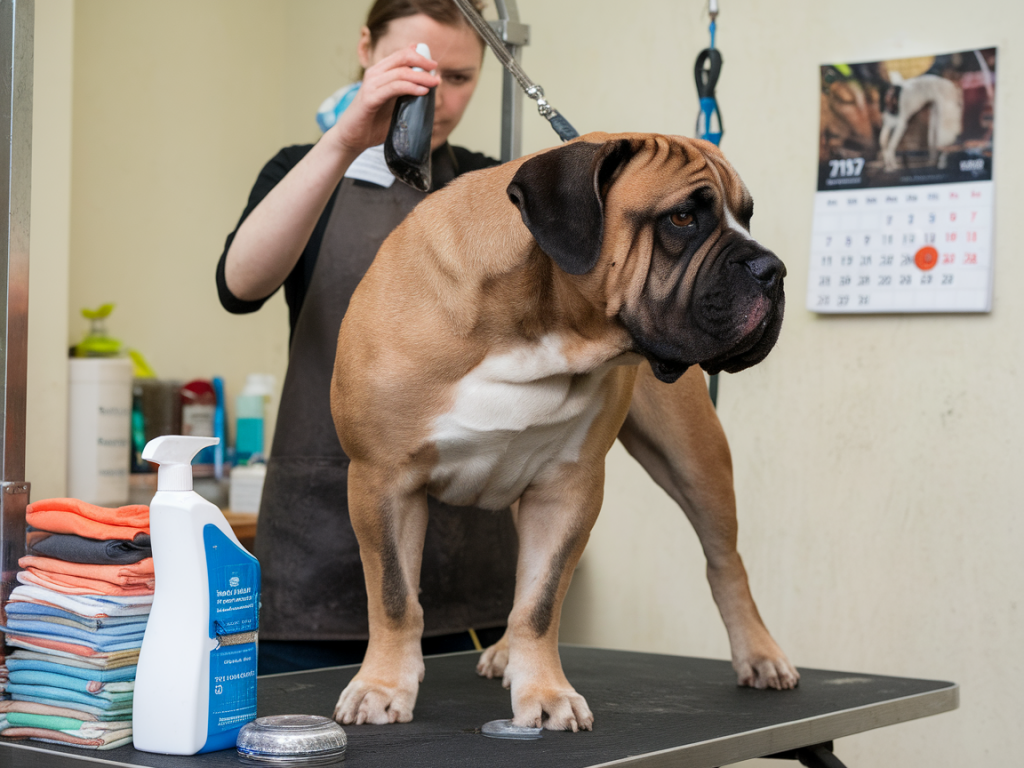
Preparing a Bullmastiff for its first conformation show is one of the most rewarding — and sometimes nerve-wracking — projects I take on. Over the years at Shadowguard Bullmastiffs I've developed a step-by-step schedule that combines grooming, stacking, handling and ring confidence work so both dog and handler arrive calm, polished and ready to perform. Below I share the routine I use, week-by-week and day-by-day, with practical tips, product suggestions and troubleshooting advice from real-life experience.
Overview: timeline and mindset
I recommend starting a focused plan 8–10 weeks before the show. That gives you time to condition coat and body, build handling skills, and gradually introduce ring-like pressures without overwhelming your bullmastiff. Keep expectations realistic: this is about steady progress and positive associations, not perfection overnight.
My guiding principles:
Weeks 8–6: foundation grooming and basic stacking
At this stage we establish a grooming routine and introduce the basics of stacking (standing still in the correct posture). For Bullmastiffs, the short coat and skin require regular but gentle care.
I use a rubber curry mitt (like the Kong Zoom Groom) to remove loose hair and stimulate skin oils. Follow with a soft bristle brush to smooth the coat and check for skin issues. Bathe only if needed — over-bathing dries the skin. For occasional baths I prefer a gentle, pH-balanced shampoo such as Earthbath Oatmeal & Aloe, and always finish with a light, leave-in conditioner or skin-balancing spray to avoid flakiness.
Trim nails every 2–3 weeks. Bullmastiffs often tolerate a Dremel better than scissors — take slow, short sessions to avoid heat build-up. Check pads for cracks; apply a dog-safe balm (I use Musher’s Secret) during dry months.
Start with 5-minute sessions twice daily. Use a mat to define where the dog stands — this becomes the “home base” for stacking. Gently position feet, rewarding every correct placement. Keep cues simple: a two-word marker like “stack up” or “stand” works well. Use high-value treats (small pieces of chicken or freeze-dried liver) at first, then phase to lower-value treats as the dog becomes reliable.
Weeks 5–3: refining handling and movement
Now we increase the complexity: longer stack holds, movement with the handler, and mock examination. This is the time to iron out posture and gait.
Increase stack holds to 1–2 minutes. Work on head carriage and topline — reward calm, still behavior. If the dog shifts, reset and reward the attempt; avoid forcing positions which create resistance.
Practice trotting beside the dog at show pace. Bullmastiffs should move with power and purpose, not speed. Use a loose lead and practice transitions from walk to trot, encouraging even, square movement. Filming these sessions is invaluable — I often spot crooked fronts or uneven drive only when I watch playback.
Have a friend act as a judge and touch the dog’s head, teeth and body as in the ring. Keep these sessions brief and positive; teach a “thank you” cue (treat after the examination) so your dog learns to tolerate handling and associates it with rewards.
Weeks 2–1: polishing, ring simulation and conditioning
This is the time to polish every detail and simulate the show day. Reduce heavy training volume to keep the dog fresh; maintain sharpness with short, focused rehearsals.
Set up a mock ring in the yard or a quiet hall. Do a full run: gaiting, stacking, turns, and standing for the mock judge’s examination. Wear the clothes and shoes you’ll use at the show and use your usual leash and collar so nothing surprises your dog.
One week out, give a light bath if needed and a thorough brush. Trim whiskers and tidy feet—these small touches look sharp in the ring. Avoid any new products or heavy perfumes that might irritate the skin or unsettle the dog.
Check body condition: Bullmastiffs should be muscular but not overweight. Short walks, supervised play and controlled feeding keep the dog conditioned. If your dog needs to lose or gain, start earlier than two weeks out; in the final week maintain weight and energy.
Show day: calm, confident and prepared
Your goal on show day is to keep the dog calm and confident. Everything you practiced should be familiar and lightly rehearsed—don’t cram new behaviors.
Keep normal feeding times and a light breakfast. Give a short walk before going into the show hall so the dog can relieve and relax. In the ring, use the same cues and rewards as in practice. A favorite tug toy can be helpful between classes to release energy.
Always present your dog to the judge with calm energy. Use confident body language: bullymasts respond to secure, consistent handling. Keep the lead short but relaxed and move with purpose. If your dog hesitates, make small adjustments—sometimes a quick bait behind the judge helps reset focus.
If your dog becomes nervous, bring it back to basics: a short “stack and treat” on the mat, a calm walk, then re-enter. Never force the dog into the ring; gently encourage and make the ring a predictable, rewarding environment.
Common issues and quick fixes
Preparing a Bullmastiff for their first show is a process of layering skills with kindness and consistency. The routine above has helped many of my dogs arrive composed and proud in the ring. If you’d like, I can share a printable week-by-week checklist or a short video demonstrating stacking and gait work — I’ve filmed several sessions on the Shadowguard Bullmastiffs site that owners find useful.