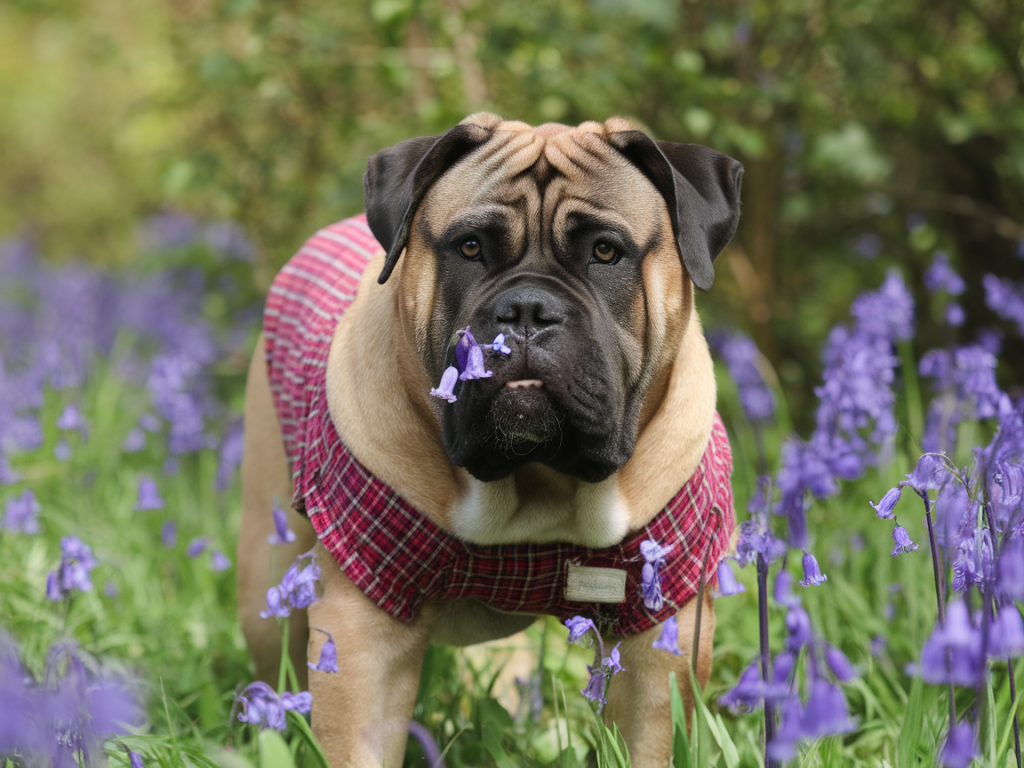
I often get asked how to keep a low-energy Bullmastiff mentally stimulated without turning training sessions into sprints or high-intensity workouts. Scentwork has been one of the best answers I’ve found. It’s gentle on joints, taps into a dog’s natural instincts, and — when planned properly — builds confidence, focus and calm. Below is a six-week scentwork plan I use with quiet, older, or low-drive Bullmastiffs. It’s designed to be progressive, predictable and adaptable to each dog’s pace.
Why scentwork for low-energy Bullmastiffs?
Bullmastiffs are thoughtful, steady dogs. They don’t always throw themselves at toys or high-energy games, but their noses are powerful tools for engagement. Scentwork:
In my experience, a short, regular scentwork session does far more for attention and behaviour than a long walk for some Bullmastiffs. It’s also an excellent activity for rainy days or when mobility limits exercise.
Before you start: what you’ll need
Keep gear simple. I recommend:
Set aside 5–10 minutes per session twice daily. Short sessions keep motivation high and prevent frustration.
How I structure the six-week plan
The plan follows a simple progression: introduce scent, teach search mechanics, increase difficulty, then generalize to new locations and distractions. Each week has a clear focus and examples of exercises. Move at your dog’s pace — if a week feels rushed, repeat it.
| Week | Focus | Goal |
| 1 | Value the scent | Dog finds reward in a single, obvious container |
| 2 | Develop search mechanics | Dog moves between containers, showing clear inspection behaviour |
| 3 | Introduce hides | Dog investigates simple out-of-sight placements |
| 4 | Distance and duration | Dog searches larger area and sustains search |
| 5 | Distractions and elevation | Dog maintains focus with gentle distractions and elevated hides |
| 6 | Generalisation | Searches in new rooms/locations confidently |
Week 1 — Value the scent
Objective: Make the scent something the dog actively wants.
Tip: If your dog is shy about approaching new objects, hold the cloth yourself and reward them for coming closer before placing it down. Patience here builds trust.
Week 2 — Develop search mechanics
Objective: Teach your dog to check multiple containers.
At this stage I still show the dog the scent each time before I hide it. The important behaviour is the inspection of containers and movement between them.
Week 3 — Introduce hides
Objective: Move the target out of direct sight so the dog must use scent.
Note: Some Bullmastiffs will show a “slow burn” — they’ll methodically search areas rather than darting. Celebrate that patience; it’s perfect for scentwork.
Week 4 — Distance and duration
Objective: Increase the area and require more sustained searching.
Tip: If mobility is a concern, place hides at sitting height or around a chair so your dog doesn’t need to strain.
Week 5 — Distractions and elevation
Objective: Keep focus with background activity and elevated hides.
Product note: I’ve found foldable scentwork boxes and low platforms from online speciality suppliers useful for consistent setups.
Week 6 — Generalisation to new locations
Objective: Apply skills in different rooms and outdoors.
During these weeks, I keep a short journal of each session: what hides I used, how the dog responded, and any changes in focus or confidence. It’s a small habit that helps me notice progress and tweak difficulty.
Common questions I hear
How often should I train? Twice daily for 5–10 minutes works well. Consistency beats long sessions.
What if my dog loses interest? Make the rewards more valuable, shorten the session, or simplify hides. Sometimes a few days’ break and a return to basics helps.
Can I use essential oils as a target scent? You can, but for senior or sensitive dogs I prefer food-based targets first. If you introduce an oil, use only a tiny amount on a cloth and ensure it’s a dog-safe product.
Is scentwork suitable for anxious dogs? Yes — when introduced gently. Scentwork gives a structured, achievable task. Avoid overwhelming environments at first.
If you’d like, I can share printable hide templates or a week-by-week checklist tailored to your dog’s mobility and confidence level. Many of the Bullmastiffs I’ve worked with transformed from apathetic to quietly purposeful after a few weeks of scentwork — and I hope your dog will too.