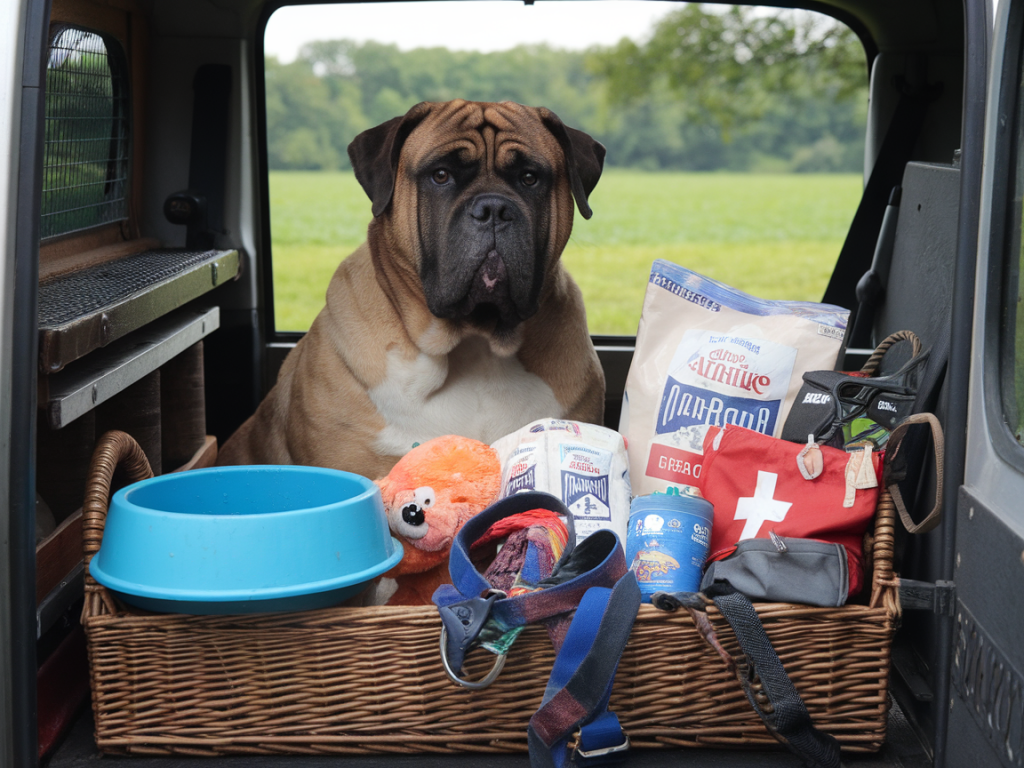
Road trips and dog shows are two of my favorite ways to spend time with my Bullmastiffs, but both demand preparation — and a reliable emergency kit is non-negotiable. Over years of breeding, training and rescuing Bullmastiffs, I’ve learned that having the right supplies can turn a stressful situation into a manageable one. Below I share what I pack for every trip with my dogs: essentials for health emergencies, comfort items, show-specific needs and practical tips that come from real-life experience.
Why an emergency kit matters for Bullmastiffs
Bullmastiffs are robust, but their size and anatomy bring specific risks: overheating, joint strains, skin folds that trap moisture, and occasional gastrointestinal upsets from new food or motion sickness. On top of that, at shows they’re exposed to strange dogs, long waits, and busy environments that can trigger stress-related issues. A compact, well-thought-out kit keeps me ready for common problems until I can reach a vet.
Where I store my kit and how I prepare it
I keep a dedicated, waterproof bag in the car at all times. I prefer a soft-sided duffel that fits under a seat or in the boot, with internal pockets so items don’t rattle around. Every few months I check expiration dates, refill items I’ve used and swap seasonal gear (like cooling items in summer and warm blankets in winter).
Core medical supplies I always pack
- Copy of medical records: Vaccination history, current medications, allergies, and my vet’s contact details in a waterproof sleeve. If traveling abroad or to a show, include health certificates and microchip information.
- Basic first-aid kit: Adhesive bandages, gauze pads, non-stick dressings, medical tape, disposable gloves, antiseptic wipes (chlorhexidine or povidone-iodine) and a pair of blunt-tipped scissors.
- Styptic powder or cornstarch: For minor bleeding from nails or small wounds.
- Elizabethan collar (soft or inflatable): I prefer a soft, foldable E-collar for travel — less bulky but effective.
- Digital thermometer: Rectal thermometers are the most accurate for dogs; include lubricant and practice using it at home so you’re calm in an emergency. Normal dog temperature runs between 38.3–39.2°C (101–102.5°F).
- Towel and blanket: For warmth, to create a makeshift sling or to stop bleeding by applying pressure.
- Hydrogen peroxide 3%: For inducing vomiting only if instructed by a vet/Poison Control (and only for certain toxins). Never use without confirmation.
- Activated charcoal: Useful for certain ingestions, but again only with vet guidance.
Medications and supplements I carry
I only give prescription meds under my vet’s guidance, but I always travel with a small stash of commonly needed items, clearly labeled:
- Anti-nausea medication: Ondansetron or maropitant (Cerenia) for motion sickness or vomiting — ask your vet for dosing instructions and a prescription if needed for trips.
- NSAID for dogs: Carprofen or meloxicam prescribed by my vet, strictly following dose and duration limits for Bullmastiffs. Never give human NSAIDs (ibuprofen, aspirin) without vet approval.
- Antihistamine: Cetirizine or diphenhydramine can be helpful for mild allergic reactions (again, check dose with your vet beforehand).
- Probiotic paste: For sudden diarrhea or stress-related tummy upsets.
- Joint supplement: A travel-sized tub of glucosamine/chondroitin if you expect heavier activity or long days on concrete at shows.
Comfort, hydration and cooling items
- Collapsible water bowl and fresh water: Hydration is critical, especially for brachycephalic-type dogs like Bullmastiffs in warm weather.
- Electrolyte solution for dogs: I use products like Nuun or specifically formulated canine electrolytes to help with dehydration from heat or vomiting.
- Cooling mat and portable fan: A simple cooling mat and a clip-on battery fan saved one of my boys from overheating at a crowded summer show.
- Portable shade or umbrella: Shows rarely have shaded seating; a pop-up shade or umbrella is invaluable.
- Favorite toys and a calming pheromone spray: Helps reduce anxiety in new environments. Adaptil spray or a Thundershirt are staples for nervous show dogs.
Show-specific extras
- Grooming kit: Slicker brush, rubber curry, grooming wipes, nail clippers and coat shine spray.
- Spare collar and lead: Include a gentle show lead and a sturdier everyday lead in case one breaks.
- Non-slip mat or rug: For the dog to stand on during waiting; the familiar surface helps posture and reduces slipping on slick floors.
- Treat pouch with high-value treats: Soft, smelly treats for quick reinforcement in the ring.
Practical documents and contacts
Documents are as important as medical gear. I keep both paper copies and a photo in my phone:
- Vaccination and health certificate (especially for shows or travel).
- Microchip number and registration details.
- Local emergency vet contacts for the area I’m visiting — I use apps and keep a printed list too.
- Insurance policy details and claim phone number.
Quick-reference checklist (print and tuck into your kit)
| Category | Items |
|---|---|
| Medical | Thermometer, antiseptic wipes, gauze, tape, scissors, styptic powder |
| Medications | Vet-prescribed NSAID, anti-nausea, antihistamine, probiotics |
| Hydration/Cooling | Water, collapsible bowl, electrolytes, cooling mat |
| Comfort/Behavior | Towel, blanket, toys, pheromone spray, Thundershirt |
| Documents | Medical records, vaccination certificate, microchip details, emergency contacts |
My emergency response routine
When something goes wrong, I follow a simple routine that keeps me calm and effective: assess, stabilize, contact. First I assess the dog’s breathing, consciousness and bleeding. If there’s heavy bleeding, I apply pressure and use gauze or a towel. For breathing problems or heatstroke, I start cooling measures immediately — shade, cool water on the groin and armpits, and a fan — and head to the nearest emergency vet.
I always call a vet or poison-control line before inducing vomiting or giving human medications. Having my records and prescription meds on hand lets the vet advise quickly and avoid dangerous delays.
Small things that make a big difference
Pack zip-lock bags for wet or soiled items, hand sanitizer, insect repellent safe for dogs (avoid products with permethrin unless formulated for dogs), and a small flashlight with extra batteries. I also keep a spare lead clip and a roll of duct tape — you’d be surprised how often a quick fix saves the day at a show or on the road.
Packing a Bullmastiff emergency kit is an investment in peace of mind. It’s not about expecting trouble; it’s about being ready to keep your dog safe and comfortable until professional help is available. With practice, managing minor incidents becomes straightforward, and you get to enjoy travel and shows with your dog more confidently.