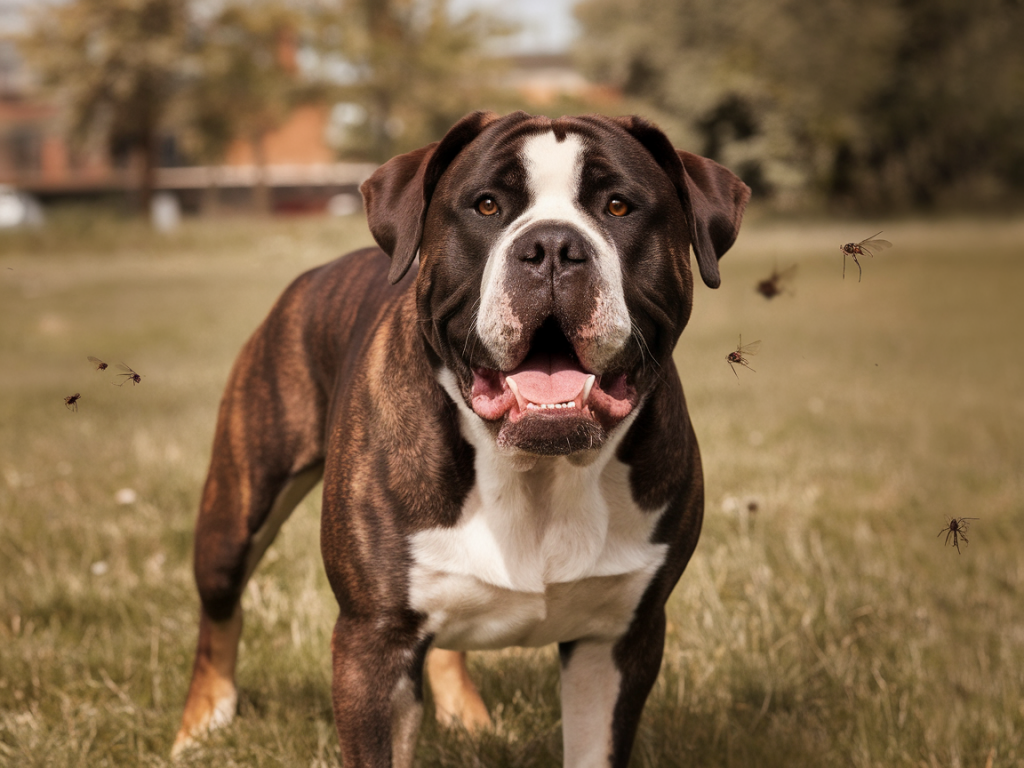
Summer in the UK means long walks, muddy fields and, for some of my Bullmastiffs, an increased risk of hot spots. Over the years at Shadowguard Bullmastiffs, I’ve learned that a few simple, consistent habits prevent many painful flare-ups — and when a hotspot does appear, acting quickly and calmly can make all the difference. Below I share the practical steps I follow with my dogs, from prevention to first-line care, so you can keep your Bullmastiff comfortable during the warmer months.
Why Bullmastiffs get hotspots in summer
Hot spots (acute moist dermatitis) are localized areas of inflamed, infected skin that are often driven by a cycle of itching, licking and bacterial overgrowth. Bullmastiffs are especially prone because of:
- Thick, short coats that trap moisture against the skin after swimming or a rainy walk.
- Skin folds around the neck and face where sweat and dirt collect.
- Allergies — seasonal pollens, grass and flea allergies commonly worsen in summer.
- Heat and humidity which create an ideal environment for bacteria to flourish.
- Stress or boredom that can increase licking or chewing in sensitive dogs.
How I prevent hotspots — daily habits that work
Prevention is far easier than treatment. I apply these routines year-round but I’m extra vigilant in summer:
- After every wet walk or swim, I dry my dog thoroughly with a towel and, if needed, a blow dryer on a cool setting. Don’t skimp on drying the base of the tail and the flanks — that’s where moisture lingers.
- I keep the coat trimmed short in problem-prone areas (not all over — Bullmastiffs should retain a short, dense coat). A tidy trim around the neck, behind the ears and the tail base helps airflow and reduces trapped moisture.
- Regular grooming: brushing with a rubber curry mitt helps remove dead hair and distribute skin oils. I do this at least twice a week in summer.
- Flea control is non-negotiable. I use a vet-recommended monthly product (spot-on or oral) — fleas are a major trigger for hotspots.
- Address allergies proactively. If I notice recurrent seasonal itching, I work with my vet on antihistamines or short courses of steroids, and sometimes an elimination diet to find food sensitivities.
- Mental and physical stimulation: a well-exercised, mentally stimulated Bullmastiff is less likely to develop stress-related licking. Puzzle toys, training sessions and structured playtime help a lot.
Spotting a hotspot early
Early detection shortens recovery time. Look for:
- Small, red, moist patches that appear quickly — sometimes overnight.
- Dogs obsessively licking, chewing or rubbing a single spot.
- Hair loss around the area, often with an unpleasant smell.
When I spot these signs, I act immediately rather than waiting to see if it clears up.
How I treat a fresh hotspot at home (first-aid)
If the hotspot is small and I can treat at home, these are my steps. Important: if the lesion is large, deep, rapidly spreading or if the dog is systemically unwell, I book a vet appointment right away.
- Restrain gently and clip the hair around the lesion to expose the skin. Use blunt-nosed scissors or clippers. This reduces moisture and helps topical treatments penetrate.
- Clean the area with a mild antiseptic wash — I use a chlorhexidine solution (0.05–0.2%). Avoid harsh alcohol or hydrogen peroxide that delays healing.
- Apply a veterinary topical spray or cream. My favourites in practice are chlorhexidine-based sprays and products containing hydrocortisone for short-term itch relief. Brand examples I’ve used successfully include Douxo S3 (pyo range) and Virbac’s antiseptic sprays. Don’t use tea-tree oil products directly — they can be irritating for dogs unless specifically formulated for veterinary use.
- Prevent further licking with an Elizabethan collar (E-collar) or an inflatable collar. I always have a spare E-collar in the cupboard in summer.
- Keep the area dry and re-check twice daily. Repeat gentle cleansing and topical application as advised by the product instructions or your vet.
When to see the vet
Contact your vet immediately if you notice:
- Rapidly expanding lesions or multiple hotspots.
- Pus, deep tissue involvement, fever, lethargy or loss of appetite.
- Hotspots that don’t improve within 48–72 hours of basic home care.
Vets may prescribe systemic antibiotics, medicated shampoos, stronger topical medications or a short steroid course to break the itch-scratch cycle. In some cases they’ll sedate and clean the area thoroughly in-clinic. Trust their guidance — timely antibiotics for infected hotspots can prevent a painful and prolonged course.
Long-term management and reducing recurrence
Recurring hotspots mean something underlying is unresolved. I investigate these areas systematically:
- Check flea control efficacy and switch products if needed.
- Consider allergy testing or trial diets if seasonal or food allergies are suspected.
- Review grooming and humidity control at home — using dehumidifiers in humid houses can help.
- Work on behavioral triggers: if the hotspot is due to boredom licking, address enrichment and training to reduce the behaviour.
Products and tools I keep on hand
| Item | Purpose | Notes |
|---|---|---|
| Chlorhexidine spray (veterinary) | Antiseptic wash | Gentle, effective; use as directed |
| Elizabethan collar | Prevent licking | Keep several sizes for comfort |
| Medicated shampoo (chlorhexidine or ketoconazole) | Reduce skin bacteria/yeast | Use weekly for chronic issues per vet advice |
| Short clippers/scissors | Clip hair around lesions | Sharp blades reduce tugging |
Brands I’ve used and recommend discussing with your vet include Douxo S3 Pyo, Virbac antiseptic sprays and veterinary chlorhexidine washes. Always follow your vet’s recommendations for frequency and duration.
Real-life example from Shadowguard
Last summer, one of my older females developed a hotspot under an ear after a rainy walk. I clipped and cleaned the area, used a chlorhexidine spray and kept an E-collar on for 48 hours. Because she’s prone to seasonal allergies, I also increased her antihistamine with vet approval. Within four days she was much improved and completely healed in ten days. The key was acting quickly and addressing her underlying allergies so it didn’t recur.
Hotspots are a common summer problem, but they don’t have to ruin the season. With prompt attention, sensible grooming and a focus on preventing the triggers — fleas, moisture, skin fold irritation and allergies — most Bullmastiffs get through summer without repeated flare-ups. If in doubt, call your vet early — a quick professional assessment often saves weeks of discomfort for your dog.