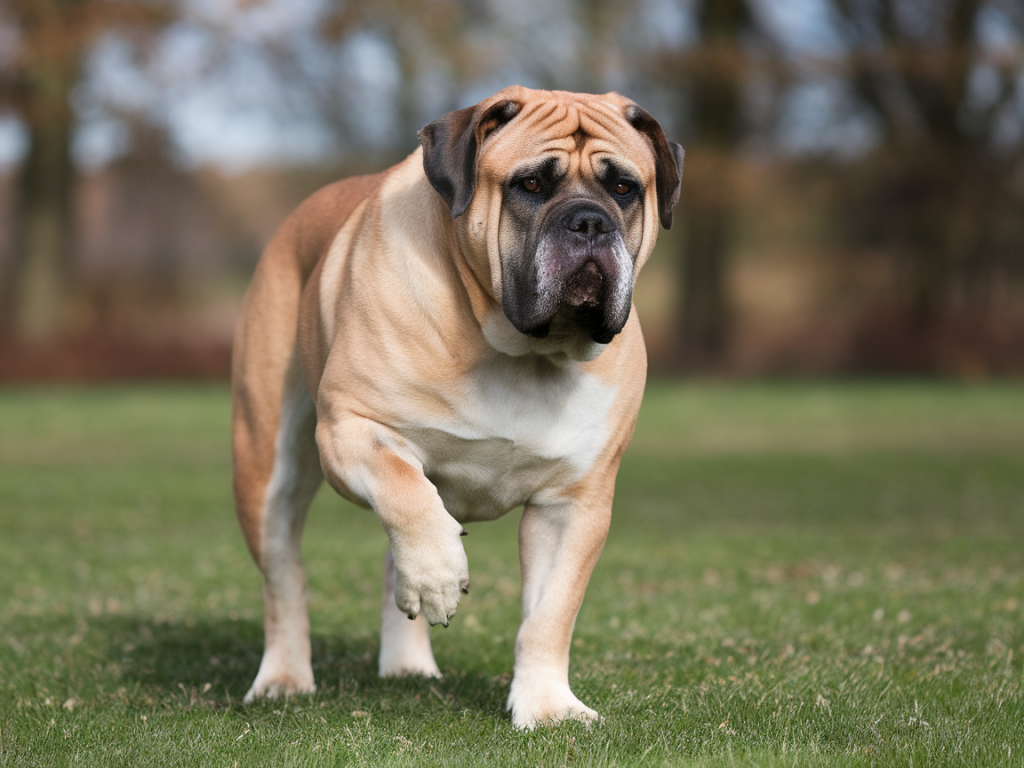
I’ve worked with senior Bullmastiffs for decades, and few things are more important — and more delicate — than keeping an older mastiff moving without worsening joint pain. Over the years at Shadowguard Bullmastiffs I’ve guided owners, rehabilitated rescues and developed routines that are gentle, effective and realistic for busy households. Below I share the low-impact exercise strategies I use most often, why they work, and practical tips to tailor them to your dog’s needs.
Why low-impact matters for senior Bullmastiffs
Bullmastiffs are large, powerful dogs with heavy frames. As they age, their joints — especially hips, elbows and stifles — take a lot of wear. High-impact activities like running, jumping or long stair sessions can accelerate cartilage breakdown and aggravate osteoarthritis. Low-impact exercises help maintain muscle mass, joint range of motion and cardiovascular health while minimizing concussion and pain.
How I assess a senior dog before starting any routine
Before I begin new exercises with a senior Bullmastiff, I always do a quick home assessment and recommend a vet check including orthopaedic exam and X-rays if needed. In my experience the right baseline information makes all the difference. At home I watch how the dog rises, how it climbs stairs, how long it can walk on soft ground, and whether it limps after activity. I also ask about appetite, sleep, and whether pain medications or supplements are already in use.
Warm-up and cool-down: non-negotiable
A brief warm-up increases blood flow and reduces stiffness. I spend 5–10 minutes on a low-effort warm-up before any session:
- Short leash walk at a slow pace (3–5 minutes)
- Gentle passive range-of-motion (PROM) movements — slowly flex and extend each limb 5–8 times
- Light massage of shoulders, hips and back for 1–2 minutes
After exercise, I repeat a short cool-down walk and massage to help muscles relax and to monitor for delayed soreness.
Top low-impact exercises I use with senior Bullmastiffs
These are exercises I commonly prescribe to owners and implement with rescue dogs. I include practical adjustments so you can tailor to your dog’s comfort level.
- Swimming and hydrotherapy — Swimming is my go-to for reducing joint stress while providing full-body exercise. If your dog enjoys water, a 10–20 minute swim in a calm pool or safe lake is excellent. For dogs new to water, consider supervised hydrotherapy sessions at a veterinary rehab centre; therapists can support the dog and use underwater treadmills to control intensity. Hydrotherapy eases weight off hips and elbows while building muscle.
- Underwater treadmill — Often available at specialty clinics, an underwater treadmill allows precise control of speed and water height. I’ve seen dramatic improvements in stride length and muscle tone after a course of sessions (commonly 2–3 times per week for 4–8 weeks).
- Short, frequent walks on soft surfaces — Replace one long walk with multiple short walks (5–10 minutes each) on grass or dirt. Soft surfaces absorb impact and are kinder to joints. Use a well-fitted harness rather than a collar to avoid neck strain and to give you better control.
- Hill-walking at a gentle incline — Walking up a very gentle slope (not steep) for a few minutes at low speed engages hindquarter muscles without the jarring impact of stairs. Keep sessions brief and monitor breathing.
- Controlled stair training (limited) — For some seniors, one or two steps a few times a day can be useful for range of motion. I only recommend this if the dog can do it without obvious discomfort and never on long stair flights.
- Balance and core work — Use a wobble cushion or fit-pod for 30–60 seconds per side to strengthen stabilizer muscles. These exercises should be closely supervised; start with hands-on support and very short sets.
- Low-impact strength exercises — Sit-to-stand repetitions (encourage the dog to stand from a sit using a treat, 5–8 reps) help maintain hindlimb strength. Step-ups onto a low platform (10–15 cm) are another option — keep reps low and rest between sets.
- PROM and assisted stretches — Gentle passive stretches for shoulders, hips and spine done 2–3 times daily can reduce stiffness. Always move slowly and stop if the dog resists.
Sample weekly routine I often recommend
| Day | Morning | Afternoon/Evening |
|---|---|---|
| Mon | 5–10 min soft-walk + PROM | 10–15 min swimming or underwater treadmill |
| Tue | Short walk (2 x 7 min) on grass | Balance work 2 x 30s + gentle massage |
| Wed | Hydrotherapy or controlled walk on incline 10 min | Gentle sit-to-stand reps |
| Thu | Short walk + PROM | Rest or light massage |
| Fri | Underwater treadmill or swim | Balance/core 2 x 30s |
| Sat | Longer soft walk (15–20 min at slow pace) | Stretching + massage |
| Sun | Rest day or very light sniff-walk | Family cuddle and monitoring |
Equipment and aids I find useful
- Supportive harness — Brands like Ruffwear and Julius-K9 have comfortable harnesses with handles to help lift or support your dog.
- Ramps and non-slip mats — Ramps for getting into cars or onto sofas reduce jumping. Non-slip mats prevent slips on tile or wood floors.
- Orthopaedic beds — A high-quality memory foam bed (for example, K&H or Big Barker) reduces overnight joint pain and aids recovery.
- Supplements — I often recommend discussing supplements with your vet: glucosamine, chondroitin, MSM and omega-3s (fish oil) can help. I’ve seen good responses when combined with weight management and exercise.
Warning signs to stop and consult your vet
Always stop exercise and call your vet if you notice:
- Sudden or worsening lameness
- Reluctance to move, climb or rise after activity
- Heavy, labored breathing after light exercise
- Excessive swelling, heat or obvious pain in a limb
Personal note from the kennels
I remember a rescue named Bruno — a 9-year-old Bullmastiff who arrived stiff and withdrawn. We began with 5-minute soft walks, daily PROM and twice-weekly hydrotherapy sessions. Within six weeks his stride improved, he was happier on the lead and more willing to play gently. It wasn’t a miracle cure, but consistent, low-impact movement changed his quality of life. That’s the goal I aim for with every senior: preserve mobility, reduce pain, and keep them engaged and content.
If you’d like, I can write a tailored routine based on your dog’s age, current meds and activity level — contact me via the Shadowguard Bullmastiffs site at shadowguardbullmastiffs.co.uk.