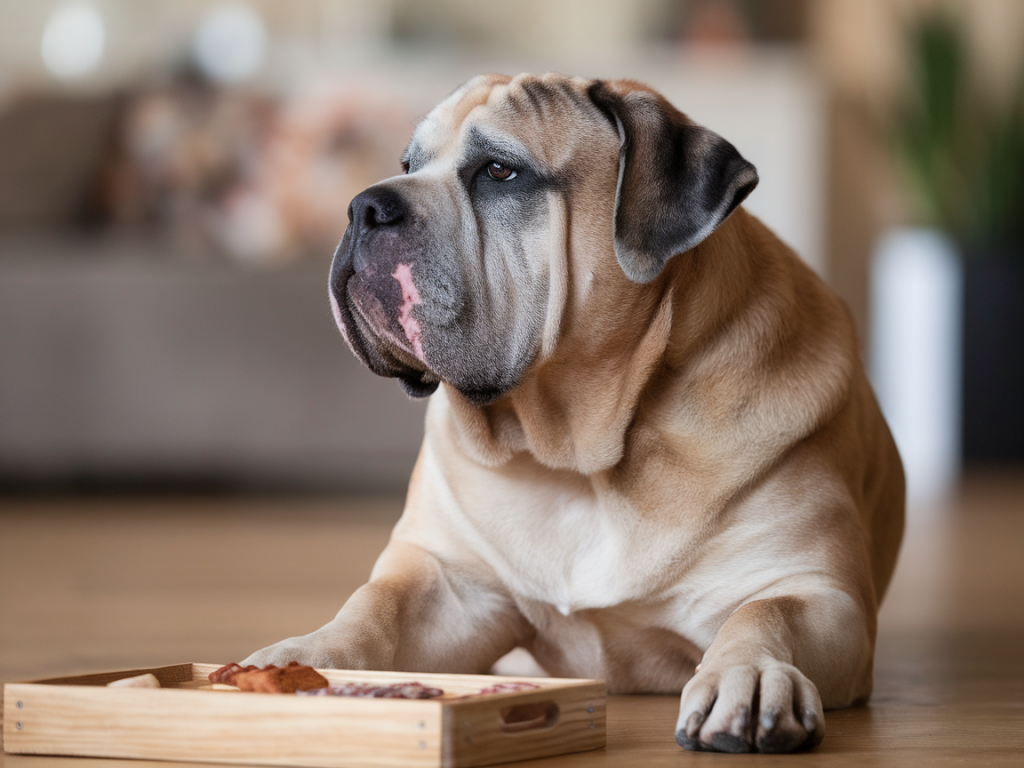
As Bullmastiffs age, one of the most difficult changes for owners to face is seeing their steady, confident companion become disoriented or forgetful. Over the years I’ve worked with many senior Bullmastiffs—some from breeding lines, others brought to me through rescue—and I’ve learned to spot the early signs of canine cognitive dysfunction (CCD) before they become severe. Below I share how I notice early changes, what I discuss with my vet, and practical daily routines and enrichments I use to slow decline and preserve quality of life.
How I recognize the earliest signs of cognitive decline
Not every change in an older dog means CCD, but I look for patterns across several areas rather than single incidents. In my experience, the earliest clues often come from routine disruptions—things an otherwise well-trained Bullmastiff suddenly forgets or does differently.
Disorientation in familiar spaces — A dog that once navigated the house confidently may hesitate at thresholds, get stuck behind furniture, or seem unsure in previously familiar rooms.Altered sleep-wake cycles — Older Mastiffs with CCD often sleep more during the day and are restless at night, pacing or vocalizing when they used to sleep through.House soiling — Accidents indoors in a previously house-trained dog are an important red flag, especially if they occur with increased frequency.Changes in social interaction — My dogs tend to either withdraw (less interest in greetings and play) or display increased clinginess and anxiety; both can indicate cognitive changes.New repetitive behaviors — Pacing the perimeter of a room, staring at walls, or repetitive circling are common early signs I’ve seen.When I notice any of these behaviors, I record specific examples (time of day, frequency, triggers) and bring them to my veterinarian. Objective notes help separate one-off health issues from cognitive patterns.
What I check with the vet
CCD resembles some medical problems, so before assuming cognitive decline I work with the vet to rule out other causes. I always ask for:
Full physical exam and blood work (thyroid levels, kidney/liver function, blood glucose).Neurological exam to check for focal deficits or signs suggesting brain disease other than CCD.Screening for pain or orthopedic issues—sometimes reluctance to jump or disorientation is pain-related.Once other conditions are ruled out, we discuss whether the behavioral signs fit the typical picture of CCD and which interventions make sense for that individual dog.
Daily routines I use to slow cognitive decline
I’ve found that a consistent, enriching daily routine can significantly slow the progress of CCD symptoms and improve day-to-day quality of life. The key is combining physical exercise, mental stimulation, predictable structure and supportive nutrition.
Morning routine
Gentle physical activity: A 20–30 minute low-impact walk or controlled play session to stimulate circulation and maintain muscle mass. For arthritic joints I use short frequent walks rather than long ones.Mental warm-up: Immediately after the walk I offer short training sessions using scent games or simple obedience—3–5 minute blocks several times a day keep the brain active without tiring them.Throughout the day
Structured enrichment: I rotate enrichment toys so they stay novel. Kongs stuffed with a bit of plain yogurt and kibble, LickiMats, or an Omega Paw treat ball work well. Puzzle feeders keep meals slow and mentally engaging.Scent work: Bullmastiffs are scent-oriented; hide small treats around the house for short scent-tracking sessions. It’s one of the most effective cognitive exercises I’ve used.Short training bursts: Five minutes of new or previously learned cues (sit, target, touch) several times daily keeps neural pathways active.Evening routine and sleep hygiene
Calming ritual: Before bedtime I use a predictable wind-down routine: a short calm walk, gentle massage, then a low-light, quiet environment. Consistency helps regulate sleep-wake cycles.Comfort and safety: For dogs that pace or become restless at night I provide a comfortable, warm bed in a quiet room. Night lights can help disoriented dogs find their way.Diet, supplements and veterinary therapeutics I recommend discussing
Nutrition plays a supportive role. I prefer diets high in quality protein and enriched with omega-3 fatty acids (EPA/DHA) for brain health. Many veterinary diets are formulated for senior cognitive support—Hill’s Prescription Diet b/d or Purina Pro Plan Veterinary Diets NC NeuroCare are two examples I’ve seen vets discuss with owners.
Omega-3 fatty acids: Fish oil (EPA/DHA) supplements can support brain health—ask your vet for appropriate dosing and brands like Nordic Naturals or Grizzly.Antioxidants and mitochondrial support: Supplements containing vitamin E, vitamin C, and CoQ10 are sometimes recommended. Formulas such as Denamarin (SAMe + silybin) support liver health and may aid well-being in older dogs; SAMe alone has some supportive data for cognition.FDA-approved/medicated options: In some cases, veterinary-prescribed drugs like selegiline (Anipryl) can help delay progression. This is a vet decision based on severity and overall health.Home adjustments I put in place
Clear walking paths: I remove clutter and use baby gates to block stairs when necessary—reducing confusion and risk of injury.Anti-slip surfaces: Place rugs or non-slip mats on slippery floors so they can move confidently.Consistent placement of essentials: Keep beds, food and water bowls in consistent locations to reduce disorientation.Monitoring progress and adjusting the plan
Every Bullmastiff declines at their own rate. I track behaviors weekly—using a simple log of sleep patterns, accidents, pacing episodes and social interest. This helps me and my vet spot trend changes and adjust interventions. When an approach isn’t helping, we switch tactics: more frequent enrichment, different supplements, or prescription therapy.
Practical tips from rescue cases I’ve handled
In my rescue work I’ve brought in older Mastiffs who were scared and confused. Small, patient steps make a big difference:
Slow introductions: Allow extra time for the dog to learn house layout and people routines; avoid overwhelming them with new stimuli.Positive reinforcement: Reward calm exploration and successful navigation to build confidence—treats, praise, and gentle touch work wonders.Community resources: Don’t hesitate to use local behaviorists or senior-dog support groups—shared experiences and tailored plans can be invaluable.If you suspect your Bullmastiff is showing early signs of CCD, start a behavior log today and make an appointment with your veterinarian. With early detection, thoughtful routines, and targeted veterinary care, many senior Bullmastiffs enjoy comfortable, engaged lives for years after diagnosis.