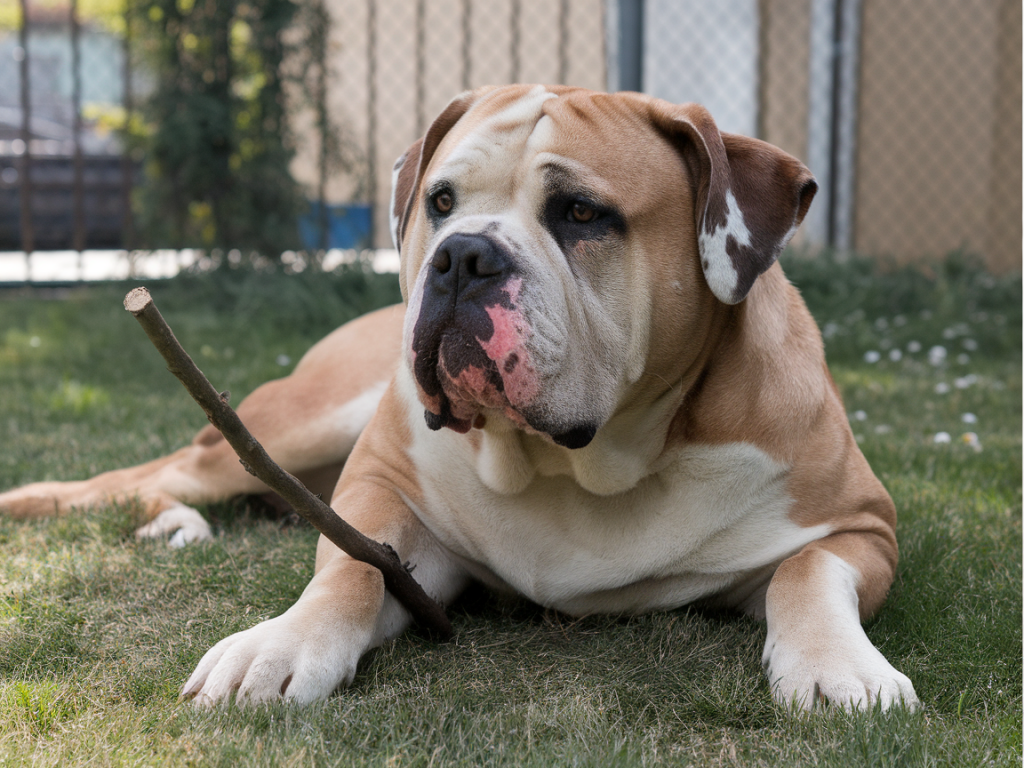
I’ve treated my fair share of garden-related injuries over the years — everything from blunt impacts and thorn scratches to the more worrying penetrating wounds from rusty stakes, broken fencing, or hidden glass. Bullmastiffs are curious and powerful; they can reach places smaller dogs won’t, and their sheer mass means a small object can end up causing a deep injury. In this article I’ll share how I manage penetrating wounds at home, how I stabilize the dog before veterinary care, and the exact information I make sure to give the vet. These are practical steps I’ve used in real emergency situations and refined through conversations with vets and rescue teams.
How to recognize a penetrating wound and why it’s serious
A penetrating wound is any injury where an object pierces the skin and enters the underlying tissues. These can be deceptively small at the surface while tracking deep into muscle or even reaching body cavities. I always treat penetrating wounds as potentially serious because:
Signs I look for include persistent bleeding, swelling, a visible object protruding, unusual lameness, changes in breathing or behaviour, and worsening pain when the area is touched. Even a small puncture that’s not bleeding much can be dangerous, especially if it’s near the chest, abdomen, joints or paw pads.
Immediate steps to take in the garden (first few minutes)
When you find your Bullmastiff injured, the first priority is safety — for your dog and for you. Large dogs may react protectively when in pain.
Home stabilization while you prepare to transport
I treat my initial home stabilization like a triage: stop the worst threats (bleeding, shock), and limit contamination. Here’s my checklist:
- Keep the wound covered: After controlling bleeding, place a clean, non-adhesive dressing (sterile gauze if you have it) over the site and secure lightly with bandage or tape. For paw injuries, a boot or plastic bag over a padded dressing works well.
- Immobilize the area: If the wound involves a limb, try to prevent unnecessary movement. For deep wounds near joints, you can create a simple splint using cardboard or rolled newspaper wrapped with bandage.
- Watch for shock: Signs include pale gums, rapid breathing, weakness, cool extremities, and collapse. Keep the dog warm with a blanket, raise the hindquarters if the abdomen is injured (only if it doesn’t cause pain), and transport immediately.
- Avoid oral food or water: Don’t give food or fluids if surgery may be needed — vets usually require fasting before anaesthesia. Offer small sips of water only if the vet instructs and the dog is stable.
- Clean around the wound (if dirty): Gently remove loose dirt around the area with saline or clean water, but don’t attempt deep cleaning. Pat dry with a sterile gauze.
- Record details: Note how the injury happened, the time, and any foreign object involved (type, size, material). Take photos if possible — they can be invaluable for the vet.
Transporting your Bullmastiff safely
Use your vehicle’s back seat or boot area with a non-slip mat. A thick blanket or mattress pad helps keep pressure points comfortable. If the dog is large and immobile, enlist help to lift using a rigid board if necessary — protect the spine and avoid twisting. Keep the wound dressing secure but not overly tight during transport.
What to tell your vet — the concise information they need
Vets appreciate clear, concise facts. When you call or arrive, give this information:
- How and when the injury occurred: Example: “He stepped on a broken bamboo stake in the garden about 30 minutes ago.”
- Observations of the wound: Location, size, whether something is embedded, amount and type of bleeding (spurting, steady, oozing).
- Behavioral signs: Lethargy, collapse, rapid breathing, panting, vocalizing, inability to bear weight.
- First aid already performed: Bandaging, pressure applied, immobilization, muzzling, photos taken.
- Vaccination and medical history: Last rabies shot if applicable, tetanus isn’t relevant to dogs but mention if the wound involved rusty metal and if the dog has had recent vaccinations; any ongoing medications; known allergies; existing heart or other diseases.
- Concerns about foreign bodies: If you suspect glass, wood, or metal is still in the wound, tell them — this often changes the approach (imaging, surgery).
Tests and treatments your vet may perform
Expect the vet to examine, possibly sedate to examine properly, and then decide on imaging (X-ray, ultrasound) to check for foreign bodies or internal injury. They may:
| What I pack in a garden-first-aid kit | Why |
|---|---|
| Sterile gauze and non-stick dressings | For pressure and wound covering |
| Elastic bandages and tape | Secure dressings and create splints |
| Saline solution | Gentle flushing of dirt |
| Disposable gloves | Protect you and reduce contamination |
| Soft muzzle | Safety if the dog is in pain |
| Scissors and tweezers (rounded tips) | Cut bandage and remove surface debris only |
One of my rescue cases involved a young Bullmastiff who sucked a rusty screw through a wooden fence. He looked fine at first but later developed severe swelling and pain. Quick pressure control, an immediate trip to my vet, and clear details about the object allowed surgical removal and antibiotics. He recovered well because we acted fast and provided the vet with the right information.
Penetrating wounds in Bullmastiffs are stressful but manageable when you stay calm, provide basic stabilization, and get veterinary care quickly. Keep a tidy first aid kit, know the route to your emergency clinic, and don’t hesitate to call your vet for advice — they’d rather guide you early than treat preventable complications later.