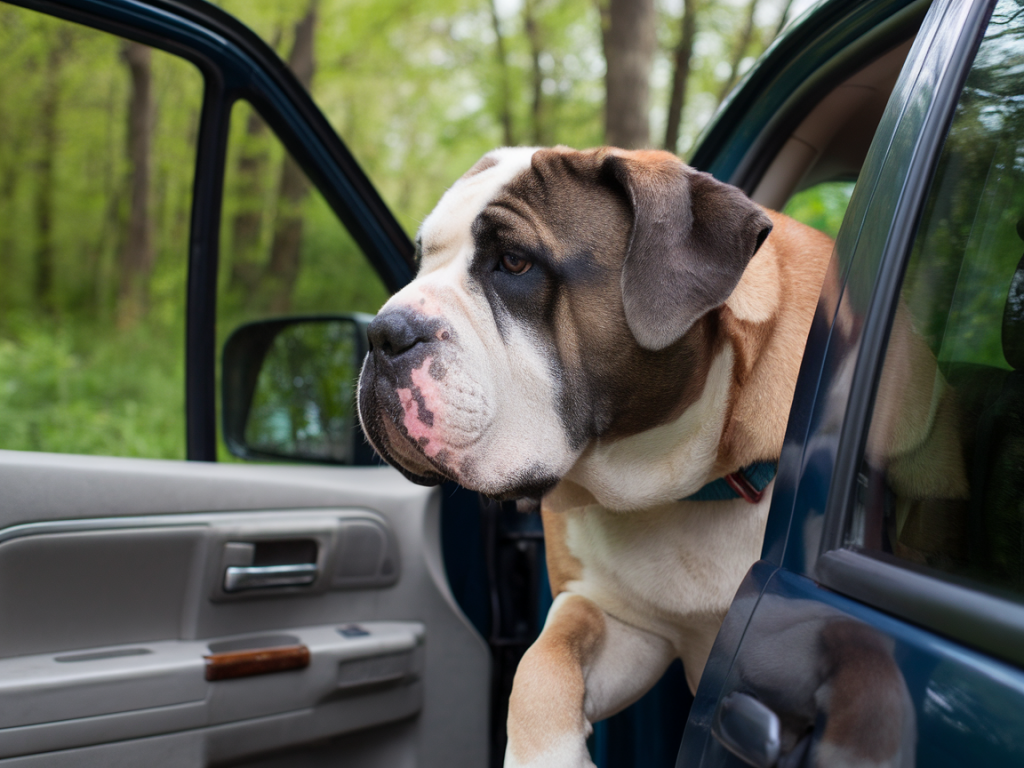
I’ve worked with a lot of Bullmastiffs who worried when left alone — from nervous rescue dogs that trembled at the sound of keys, to pets who paced and scratched at doors. Over the years I’ve found the most effective approach combines targeted enrichment with gradual desensitization. It’s not about a quick fix; it’s about teaching your dog that alone time can be predictable, safe and even enjoyable. Below I’ll share practical steps, examples and routines that I use with my own dogs and in rescue rehabilitations.
Understand what you’re dealing with
Separation anxiety shows itself in many ways: vocalizing, destructive behavior, house soiling, drooling, pacing or trying to escape. With Bullmastiffs — a strong, sensitive and deeply bonded breed — these behaviors can be intense. The first step is to rule out medical causes with your vet and to observe patterns: does the anxiety happen only when you leave for work, or also for short absences like stepping into the garden?
Set up the environment for calm
Before you begin training, create an environment that reduces stress and provides meaningful activity.
Safe space: A crate can be a helpful den for many Bullmastiffs when introduced properly; others prefer a gated room. The space should feel cozy with a thick bed, a blanket that smells like you, and no direct view of busy windows.Soundscapes: I use low-volume classical music or specially designed dog music playlists. White noise or a radio set to talk stations can mask sudden outside noises that trigger anxiety.Calming aids: Pheromone diffusers (Adaptil), anxiety wraps (Thundershirt), or calming chews can be supportive alongside training — not replacements for it.Enrichment: make alone time worth it
Enrichment is the heart of my approach. The goal is to build a positive association with being alone so your Bullmastiff looks forward to it.
Food puzzles and frozen treats: Invest in high-value, durable toys like the Kong Extreme or the West Paw Zogoflex Tux. Freeze a mix of wet food, plain yogurt, and dog-safe fruit or broth in a Kong — it lasts much longer and is highly engaging.Scatter feeding and snuffle mats: For slower-paced feeding, put kibble in a snuffle mat or scatter it in different rooms.Rotation of toys: Rotate toys to keep novelty. I usually keep 4–6 enrichment items and swap them every few days.Gradual desensitization protocol
This is the step-by-step retraining that changes the dog’s emotional response to departures. Work at your dog’s pace — rushed progress often backfires.
Start with short, low-key departures: Put on your coat, pick up keys, walk to the door and sit back down. Reward calm behavior. Repeat until your dog is indifferent to these cues.Add distance: Progress to stepping outside the door for a few seconds and returning. Gradually lengthen the time away — 5s, 15s, 30s, 1min, etc. Only increase duration when your dog remains calm at the current level.Use a random departure routine: Practice departures without always leaving for the same predictable outcome (e.g., don’t always grab keys then leave immediately — sometimes sit, sometimes leave, sometimes make a sandwich).Pair departures with enrichment: Give the frozen Kong or a stuffed lick mat only when you leave for short practice sessions. This teaches “when I leave, good things happen.”Counterconditioning: changing the emotion
Desensitization reduces sensitivity; counterconditioning replaces fear with a positive feeling. I pair departures with very high-value rewards (rotisserie chicken, cheese bits) for several weeks. Over time, the anticipation of a delicious treat can outrank the fear of being left.
Practical daily schedule example
| Time | Activity |
|---|
| 07:00 | Calm walk (30–40 minutes) + breakfast in a snuffle mat |
| 08:15 | Short departure practice (1–2 minutes) with frozen Kong given upon leaving |
| 12:30 | Midday enrichment (short play session or puzzle) |
| 17:30 | Longer walk/play + training session (10–15 minutes of scent or obedience work) |
| 21:00 | Quiet time, light chewing toy, crate/bedtime routine |
Training tips I use with Bullmastiffs
Short sessions: Bullmastiffs are intelligent but can be slow to engage. Keep training sessions short (5–10 minutes) and highly rewarding.Be predictable and calm: Practice calm departures — no dramatic hugging or apologies. Reassurance can paradoxically reinforce anxiety.Use video monitoring: A camera helps you see exactly what triggers your dog. I use a Nest Cam to check behavior and track progress.Work with a professional: For severe cases, collaborate with a qualified behaviorist or a veterinary behaviorist who can assess whether medication (e.g., fluoxetine, clomipramine or short-term trazodone) might help during training. Medication can be a valuable adjunct to make learning possible.What to avoid
Punishment: Never punish behaviors that occur because of anxiety — it makes fear worse.Too fast progression: If your dog regresses, go back a step. Repetition and small wins are how progress becomes permanent.Over-stimulation before leaving: Don’t tire them out so much that they sleep through training; we want them engaged enough to learn new associations.I’ve had shy rescue Bullmastiffs go from frantic to relaxed with consistent enrichment and gradual desensitization. It takes patience, structure and sometimes professional support, but the results are worth it: a calmer dog and a more secure relationship. If you’d like, I can share a customized 6-week plan based on your dog’s current behavior — tell me their age, medical history and what they do when left alone, and I’ll draft a step-by-step schedule you can start right away.