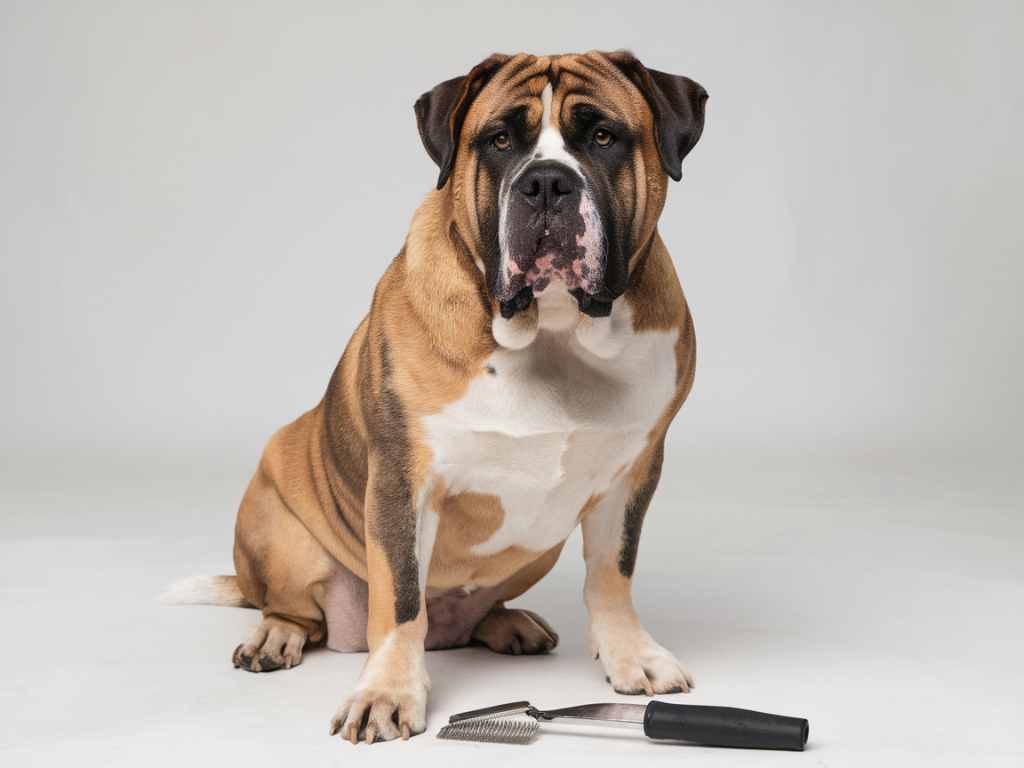
Bullmastiffs are wonderfully affectionate, but those generous rolls of skin—especially around the face, neck and tail—require regular attention. Over the years I’ve learned that a small, consistent routine prevents a lot of heartache: fewer infections, fewer vet visits and a more comfortable dog. Below I share a practical, field-tested grooming checklist for Bullmastiff skin folds, the signs I watch for, products I reach for and step-by-step care I use when a rescued or breeding dog arrives with irritated folds.
Why skin-fold care matters
Skin folds create warm, moist microenvironments where yeast and bacteria thrive. Left unchecked, they can develop red, smelly, sore areas, and in severe cases secondary infection or open wounds. Preventive grooming is far easier and less stressful for the dog than treating a chronic problem.
Signs of trouble to watch for
Persistent redness or darkening of the fold skinFoul or yeasty smellSticky, greasy discharge or crustingFrequent head shaking or rubbing (for facial folds and ears)Visible soreness, scabbing, or licking at the areaIf you see swelling, deep wounds, fever, or your dog is in clear pain, contact your vet immediately. Many infections need prescription medication rather than over-the-counter solutions.
Essential grooming kit (what I keep in my grooming drawer)
Soft, lint-free cloths and disposable cotton padsSaline wound rinse or warm water in a clean spray bottleGentle, pH-balanced cleanser: I use Douxo S3 PYO mousse or wipe for maintenance, or diluted chlorhexidine (0.05–0.1%) for more persistent issues on vet adviceVeterinary antiseptic wipes (e.g., Veterinary Formula Clinical Care antiseptic/antifungal wipes)Drying powder for folds (veterinary-grade powders or plain cornstarch sparingly; avoid talc)Non-irritant barrier cream for chronic areas (products like Vetricyn or a vet-prescribed topical)Scissors with rounded tips (only if there is long hair or to carefully remove crusting when instructed by a vet)Disposable gloves and a small mirror or phone camera to inspect hard-to-see areasDaily to weekly checklist — a quick routine
Daily: Quick visual check of all major folds (face, jowls, neck, groin and tail base) for smell, redness or discharge.2–3 times a week: Wipe the folds with a damp cloth or veterinary wipe and dry thoroughly. This is usually enough for healthy dogs kept in clean environments.Weekly: A more thorough clean — saline rinse or gentle cleanser, dry, then a light application of drying powder or barrier ointment if the dog tolerates it.As needed: If the area is red or smelly, increase cleaning to once or twice daily and consult your vet if there’s no improvement within 48–72 hours.Step-by-step cleaning for an irritated fold
When I take in a dog with irritated folds I follow these steps carefully to avoid raising irritation or causing stress:
Settle the dog. Speak calmly, give treats, and ensure they’re comfortable and restrained gently if needed.Gloves on. Use disposable gloves when dealing with infected areas.Inspect. Use a mirror or camera to check crevices. Note color, smell, discharge and whether the dog flinches.Cleanse gently. Spray saline or warm water to loosen debris. Apply a small amount of a vet-approved cleanser (e.g., Douxo S3 PYO mousse or diluted chlorhexidine) on a soft cloth and wipe the fold surfaces; don’t scrub.Rinse. Remove residue with clean water or saline to avoid chemical irritation.Dry thoroughly. Use a fresh, lint-free cloth and pat—do not rub. Air-dry for a minute or two while rewarding your dog, and if humidity is an issue, use a gentle hair dryer on a low, cool setting held at a distance.Apply an appropriate topical. If recommended, use a thin layer of an antifungal/antibacterial topical. For routine prevention, I prefer a light dusting of cornstarch or veterinary drying powder rather than heavy creams.Record. Note the date, what you used and any changes. This helps track progress and is useful if you need vet care.Products I commonly recommend and why
| Douxo S3 PYO (mousse or wipes) | Designed for bacterial/yeast-prone skin, gentle pH, great for routine maintenance and flare-ups. |
| Veterinary Formula Clinical Care wipes | Convenient, antiseptic and antifungal wipes for quick clean-ups when out and about. |
| Chlorhexidine solution (diluted) | Useful for cleansing stubborn areas; must be diluted properly and used under vet guidance to avoid irritation. |
| Vetricyn or Vetericyn foam | Non-irritating, helpful for minor wounds and as a barrier on sensitive skin (vet recommended). |
| Cornstarch or vet-grade drying powders | Lightly absorbs moisture; use sparingly and avoid talc or human medicated powders. |
Tips for fearful or sensitive dogs
Many Bullmastiffs I’ve rehabbed are sensitive about their faces. Build trust first:
Pair handling with high-value treats and short sessions—5 minutes is fine.Introduce the tools and smells gradually; let the dog sniff wipes or the bottle before you touch.Use a calm partner to help gently hold the dog if needed; sometimes two people is kinder than forcing a single stressed animal.Work at the dog’s pace; small, consistent wins (a single clean fold per day) are better than a large stressful session.When to call the vet
Routine redness or mild yeast smell can often be handled at home, but contact your vet if you notice:
Persistent or worsening redness despite cleaningThick, colored discharge or bleedingOpen sores, deep scaling, or hair loss around foldsSigns of systemic illness (lethargy, loss of appetite, fever)Many fold infections need prescription topical or oral antibiotics/antifungals. Early vet treatment prevents chronicity and scarring.
Real-life note from the kennel
I once took in a rescued female with severely infected facial folds. She’d been neglected and was distrustful. We started with tiny, positive steps: a treat for allowing a sniff, then a wipe, then a gentle clean. With a vet-prescribed topical and daily, calm care over two weeks she cleared dramatically. The change was not just physical—she became more willing to be touched and more affectionate. That’s the reward of good fold care: healthier skin and a happier dog.
Keep this checklist handy and adapt it to your dog’s needs. Preventive attention to folds saves discomfort and vet bills, and strengthens the bond you share with your Bullmastiff.