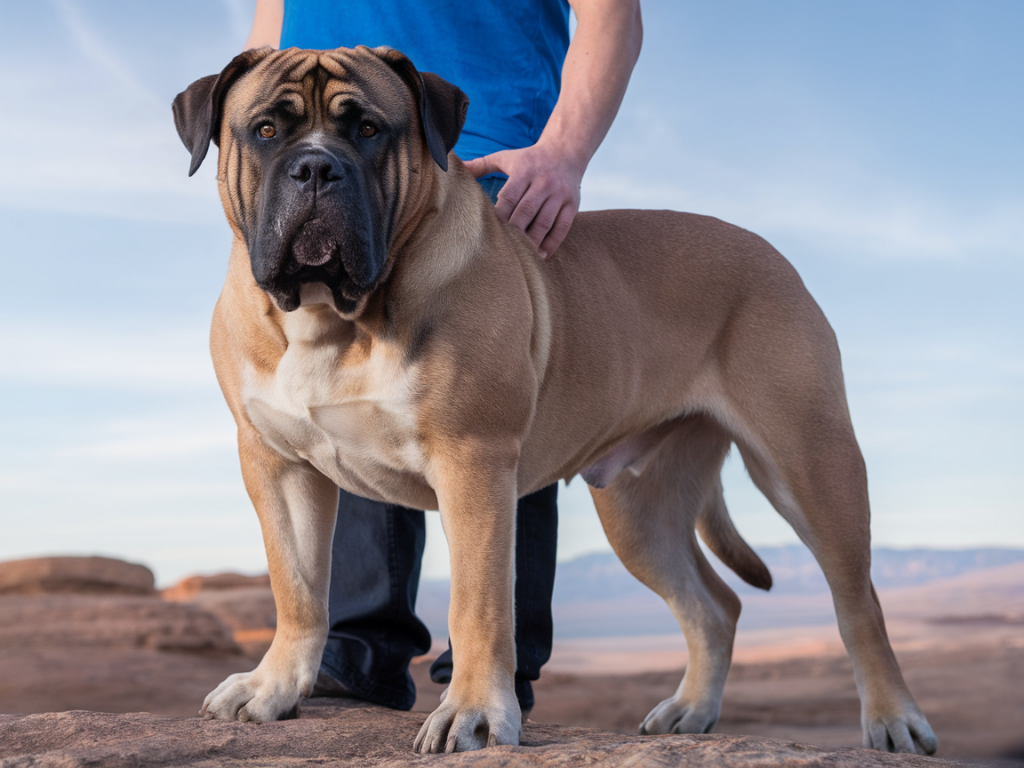
When someone asks me how to turn a protective Bullmastiff into a reliable family guardian, I start from one simple point: protection and aggression are not the same thing. A Bullmastiff’s job—by nature—is to be watchful and, if necessary, to deter threats. What we want as owners is a dog that is calm, confident and predictable under stress, not fearful or reactive. Below I share a step-by-step plan I’ve used in my kennel and with rescue dogs that balances safety, clear communication and kindness.
Initial assessment: temperament, history and health
Before any training begins I assess three things. First, the dog’s temperament: is the dog confident, shy, resource-guarding, stranger-avoidant? Second, the dog’s history: any past trauma, bites, rehomings, abuse? Third, health: undiagnosed pain or medical conditions often mask as aggression. I always recommend a full vet check (including orthopedics and dental) and, if there’s anything suspicious, blood work to rule out thyroid or hormonal issues.
If you’re not comfortable doing this assessment yourself, engage a qualified canine behaviorist. A professional can differentiate fear-based responses from dominance or protective instincts and design a targeted program.
Create safety protocols first
While you’re working through the behavior plan, practical management reduces risk. I use muzzles during high-risk interactions—not as punishment but as a safety tool. A well-fitted basket muzzle (such as Baskerville or Trixie) lets the dog pant and drink. Use secure gates, a sturdy leash (2–3m), and avoid off-leash access in public until the dog is proven reliable.
Always communicate house rules to family: who greets the dog, how children should approach, and how to interrupt unwanted behaviour. Consistency from everyone in the household is critical.
Build trust and predictability
Guardian behaviour should be built on confidence, not fear. I start by creating predictable daily routines: meals, walks, play and rest times at consistent hours. Predictability reduces anxiety. Pair routine with positive reinforcement—high-value treats (roast chicken, freeze-dried liver), praise and play—to mark calm behaviour around triggers.
Threshold training and controlled exposure
One of the most important practical skills is working at or below the dog’s threshold—the point at which they become uncomfortable and reactive. I identify the threshold by observing body language: stiffening, lip lift, fixed stare, intense focus. Then I expose the dog to mild versions of the trigger at a distance where the dog remains relaxed, rewarding calm behavior. Gradually I reduce distance over many sessions.
For example, if visitors trigger protective barking, I will have a friend stand at the gate at a distance. When the dog notices them and remains calm, I reward. If the dog shows tension, we back up. Repeat and slowly close the gap over weeks.
Teach alternative behaviours
Protection is often about a lack of options. Teach the dog clear, reliable alternatives:
I train these with short, frequent sessions. The “look at me” cue is especially useful; it interrupts focus on the perceived threat and reorients attention to you.
Impulse control and obedience
Strong basic obedience is the foundation of safe guardian behaviour. Work on:
Use positive reinforcement methods. Avoid harsh corrections that increase anxiety or escalate defensive responses. For Bullmastiffs, I often recommend food puzzles (Kong stuffed with frozen treats) and scent games to channel energy and engage the brain.
Desensitization and counter-conditioning for specific triggers
For specific triggers—delivery drivers, bicycles, strangers at the door—I pair controlled exposure with pleasant outcomes. For instance, every time the mail carrier walks up the path, I toss a handful of treats to the Bullmastiff from a safe distance so the dog begins to associate the event with positive things rather than a threat. Over time the dog learns that the trigger predicts good things, lowering arousal.
Handling and social skills
A family guardian must tolerate handling from the household and from strangers like vets or groomers. Practice gentle handling exercises daily: touch paws, ears, lift lips, simulate vet checks while rewarding calm. For socialization, prefer structured, calm introductions—one neutral dog, one calm person at a time. Avoid chaotic dog parks with uncontrolled interactions; they can increase stress and regress progress.
Equipment that helps
| Equipment | Purpose |
| Basket muzzle (Baskerville) | Safety during training and vet visits |
| Front-clip harness (Ruffwear, Julius-K9) | Better control, reduces pulling without neck strain |
| Head collar (Halti) | For strong pullers who need precise head guidance |
| Long line (5–10m) | Controlled freedom for distance training and recall work |
| High-value treats | Reinforce calm and alternative behaviours |
Proofing behaviour and real-world practice
After controlled sessions, test the dog in real-world scenarios. Invite different people to your house, simulate a delivery, practice city walks. Keep sessions short and end while the dog is still succeeding. Proof behaviours across environments, times of day and levels of distraction.
When fear or aggression persists
If despite consistent training the dog shows escalating aggression (lunging, snapping, full bites) or persistent fear (cowering, avoidance), it’s time to consult a certified applied animal behaviourist or an experienced force-free trainer. Some cases benefit from a combination of medication and behavioural therapy—only a vet behaviorist can prescribe that. Don’t wait until there’s an incident; early intervention prevents escalation.
Keep a training log and set measurable goals
Document sessions: trigger, distance, duration of calm, reinforcements used. Set small goals—“dog can pass a stranger at 10m with 90% calm responses”—and celebrate progress. This makes training measurable and reduces frustration.
Every Bullmastiff is an individual. My approach is practical, patient and humane: assess, manage, teach alternative behaviour, desensitize, and proof. With time, consistency and the right support, a protective Bullmastiff can become a predictable, reliable family guardian—calm in the face of the ordinary and ready to act only if truly necessary.