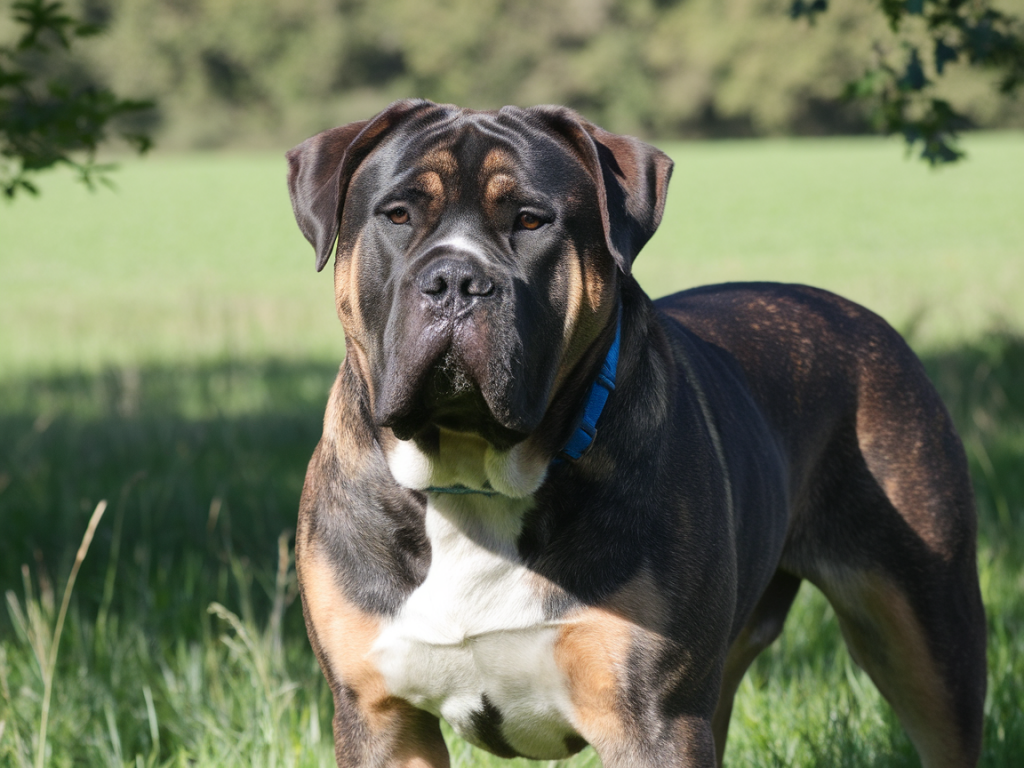
I still remember the day ShadowGuard — a pale-fawn Bullmastiff with tired eyes and a body that had clearly known neglect — arrived at my door. He wasn’t the first dog I’d taken in for rehabilitation, but his condition and his guarded wariness touched something deep in me. Over the next eight weeks I worked with vets, behaviourists, and my small team of volunteers to nurse him back to health and prepare him for rehoming. This is the case study of ShadowGuard: what I did, what I learned, and practical steps other owners and rescuers can use when faced with a neglected Bullmastiff.

Initial assessment: what I checked first

On arrival my priorities were simple and focused. A neglected Bullmastiff can be fragile in several ways — physically, mentally, and emotionally. I performed a calm, low-stress assessment and made notes under these headings:

  • Medical — visible wounds, coat and skin condition, body weight and body condition score, dehydration, parasites, and obvious pain or lameness.
  • Behavioural — response to approach, handling tolerance, fear thresholds, resource guarding, and reactivity to noises/people.
  • Environmental needs — what kind of safe space would make him feel secure (crate, quiet room, soft bedding).
  • ShadowGuard was underweight (a soft, easy-to-palpate rib line), had inflamed skin in folds, flea dirt, and a dull, patchy coat. He flinched at sudden movements and avoided eye contact at first — classic signs of fear and low social confidence.

    Immediate medical care

    My first phone call was to our trusted local vet. I asked for a full workup: bloods (CBC and biochemistry), heartworm/parasite tests, and a pain check. For neglected dogs, hidden medical issues often drive behavioural problems later on. The vet prescribed:

  • Immediate parasite treatment (oral de-wormer and a topical flea/tick treatment like Frontline).
  • Topical and oral treatment for inflamed skin after a skin scraping confirmed bacterial overgrowth and secondary dermatitis.
  • Slow refeeding plan to avoid refeeding syndrome — small, frequent, easily digestible meals. I used a high-quality kibble (Royal Canin Recovery and later Royal Canin Medium Puppy for its calorie density) mixed with boiled chicken & pumpkin for moisture and fibre.
  • Pain relief where needed (Vet-prescribed NSAID) and joint supplements (glucosamine layered in later when his appetite and gut tolerated it).
  • Creating a safe environment

    Neglected dogs need predictability. I created a consistent daily routine and a safe den space where ShadowGuard could retreat. Practical steps I used:

  • Soft crate with a thick bed and a heat source in cold weather.
  • Low-stimulation room away from household traffic for the first week.
  • White noise machine to mask sudden sounds.
  • Calming aids — a snug ThunderShirt worked well during vet visits, and pheromone diffusers (Adaptil) helped him relax at night.
  • Nutrition and weight restoration

    Restoring weight in a gentle, controlled way is crucial. I started ShadowGuard on four small meals per day, each portion calculated to provide around 20% more calories than his estimated resting needs, and monitored his stool and overall demeanour. Important points:

  • Frequent small meals reduce gastrointestinal upset.
  • Add probiotics (Purina FortiFlora or similar) to support gut flora.
  • High calorie toppers — canned salmon or fish oil for Omega-3s helped with coat recovery and inflammation control.
  • Within three weeks his coat began to regain sheen, and his energy levels rose — but I still kept treats measured to prevent digestive upsets.

    Behavioural rehabilitation: earning trust

    With many Bullmastiffs I follow a gentle, reward-based pathway. I never force eye contact or use quick, looming movements. With ShadowGuard I used:

  • Long, slow approaches and sitting at his level rather than standing over him.
  • Food-based conditioning — pairing my presence with high-value treats (chicken, cheese) to build positive associations.
  • Short, predictable handling sessions to get him used to touch: two minutes, three times a day, slowly increasing time as he tolerated it.
  • Desensitisation to veterinary handling using a pretend "vet check" sequence at home: touching paws, opening mouth, ear checks — each step rewarded.
  • Progress was incremental. The first times he accepted food from my hand, he kept his head down. By week five he began offering soft tail wags when I entered his den. Patience and consistency were key.

    Fitness, leash work and socialisation

    Neglected Bullmastiffs can be out of condition and anxious on a lead. I focused on groundwork before long walks:

  • Short indoor leash walking to practice loose-lead behaviours using a flat collar and a harness to avoid pressure on the neck.
  • Slowly increasing walks to build cardiovascular health — no more than 10–15 minutes at a gentle pace initially, extending by 5 minutes every few days as tolerated.
  • Controlled exposure to other dogs behind a barrier to prevent overwhelming him. I prefer calm, well-mannered dogs for this stage.
  • Dealing with setbacks

    Setbacks happen. ShadowGuard had a day when he refused food and retreated to the far corner of his den after a thunderstorm. I responded by:

  • Doubling down on consistency — same feeding times, same handling routine.
  • Adding extra low-stress enrichment (frozen Kong with layered pureed pumpkin and kibble) to distract and comfort him.
  • Checking for medical relapse — sometimes refusal indicates pain or gastrointestinal upset, so I had the vet reassess.
  • Setbacks are data: they tell you what still scares or hurts the dog. Respond calmly and adjust the plan.

    Preparing for rehoming

    Once ShadowGuard was medically stable and behaviourally confident with daily handling and short walks, I began the rehoming process. Key steps I follow:

  • Comprehensive documentation — veterinary records, behavioural notes, training progress, known triggers, and a daily routine sheet for the adopter.
  • Gradual transition to new environments — I arranged trial visits with shortlisted adopters, starting with supervised short visits at my home, then at the adopter’s home.
  • Adopter education — I spent a full afternoon with the chosen adopter covering feeding schedules, exercise, signs of stress, emergency contacts, and recommended products (Adaptil, Kong toys, Royal Canin feeding regime).
  • ShadowGuard’s adopter was a calm, experienced handler who worked from home and was happy to continue the slow introduction plan. I also set up a 48-hour post-adoption check-in and weekly calls for the first month. This helped both parties — the adopter felt supported, and ShadowGuard had continuity in his routine.

    Lessons learned and practical tips

    From ShadowGuard’s case I took away a few practical, repeatable lessons for any neglected Bullmastiff:

  • Medical comes first. Behaviour will not improve reliably until pain, parasites, and malnutrition are addressed.
  • Routine and predictability heal. Dogs recover faster when they know what to expect each day.
  • Small wins compound. Short, regular handling sessions and food-based rewards build trust much faster than long, infrequent interventions.
  • Support adopters. Post-adoption support reduces returns and helps dogs settle permanently.
  • ShadowGuard is now a different dog: heavier, calmer, and able to accept affection without flinching. His rehoming wasn’t a single event but a process — and that process is what successful rescue work looks like. If you’re facing a similar case, reach out through Shadowguard Bullmastiffs or your local rescue network for guidance — every Bullmastiff deserves that second chance.