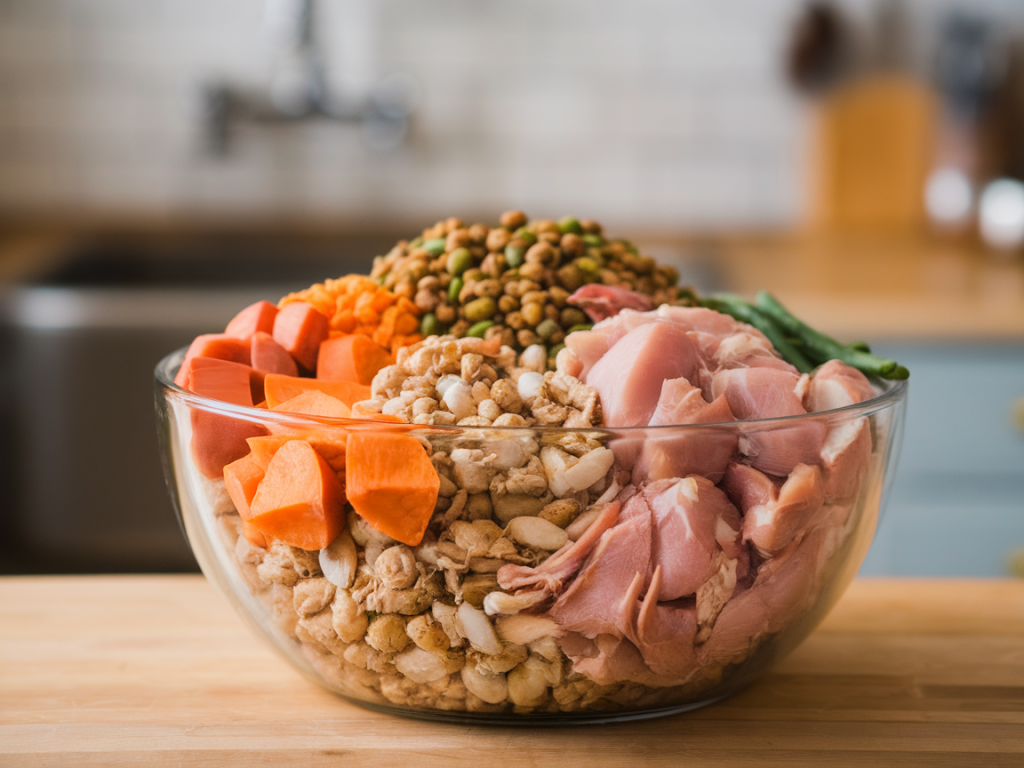
I’ve spent decades feeding Bullmastiffs of my own and helping adoptees regain strength after rescue, and one thing I’ve learned is this: joint-friendly nutrition isn’t a fad — it’s a practical part of daily care. Big dogs put a lot of wear on their joints, and the right home-cooked meals can help support cartilage, maintain healthy weight and reduce inflammation when combined with vet guidance, exercise and appropriate supplementation.
Why make joint-friendly meals at home?
Commercial diets can be excellent, but when a dog has early arthritis, hip dysplasia or is recovering from injury, tailoring ingredients gives you control over calories, anti-inflammatory nutrients and joint-supporting compounds. Homemade food also helps with picky eaters and allows inclusion of fresh whole foods like bone broths, oily fish, and green vegetables.
Important: these recipes are designed to complement — not replace — veterinary care. Always check with your vet before changing diets, and discuss adding supplements such as glucosamine/chondroitin (brands I’ve used: Cosequin, GlycoFlex) or high-quality fish oil (I trust Nordic Naturals) for therapeutic dosing.
Principles I follow when cooking for joints
Seven vet-approved, joint-friendly recipes
Each recipe yields roughly 4–6 portions depending on your dog’s size; I note substitution options and why I include each ingredient.
1) Salmon, sweet potato & spinach bowl (Omega-3 boost)
Why: Salmon supplies EPA/DHA to reduce inflammation; sweet potato gives low-GI carbs and beta-carotene; spinach adds antioxidants.
2) Turkey, quinoa & kale (lean protein + joint-protective greens)
Why: Lean turkey preserves muscle without excess calories; quinoa adds complete plant protein and fibre.
3) Beef & bone broth stew (collagen-rich)
Why: Slow-cooked beef with bones (or made with commercially prepared low-salt beef bone broth) supplies collagen, gelatin and minerals.
4) Sardine & courgette mash (omega-3 snack)
Why: Sardines are small, low in mercury and extremely rich in EPA/DHA and calcium if canned with bones.
5) Chicken, lentil & pumpkin casserole (anti-inflammatory fibre)
Why: Lentils supply low-fat protein and fibre; pumpkin is excellent for digestion and weight management.
6) Venison & pear mix (novel protein for sensitive joints)
Why: Novel proteins can reduce immune-mediated inflammation in dogs with food sensitivities; pears offer vitamins and gentle fibre.
7) Egg, cottage cheese & broccoli topper (calcium + protein boost)
Why: For days your dog needs a nutrient-dense topper — eggs provide choline and high-quality protein; cottage cheese is an easy calcium source.
Storage, prep tips and precautions
Portion planner
This table gives starting portion suggestions per day based on body weight and calorie needs for a moderately active Bullmastiff. Adjust down if your dog is sedentary or already overweight. Use your vet’s recommended caloric target if available.
| Adult weight (kg) | Estimated kcal/day | Portion size per recipe (g/day) | Notes |
|---|---|---|---|
| 30 kg | 1200–1400 kcal | About 800–1000 g total homemade food (mix of recipes) | Maintain lean body; split into 2 meals |
| 40 kg | 1500–1700 kcal | About 1000–1200 g total | Adjust for activity |
| 50 kg | 1700–2000 kcal | About 1200–1400 g total | Large adult; monitor weight |
| 60 kg | 1900–2200 kcal | About 1400–1600 g total | Senior dogs may need fewer kcal |
How to use the planner: assume 1 part protein recipe + 1 part veg/starch recipe per day. For example, a 50 kg dog might receive 700g beef stew + 500g turkey/quinoa mix across two meals. If you add high-calorie supplements (fish oil, cottage cheese), reduce base portions slightly.
Complementary supplements and aids I recommend
Feeding for joint health is a long game. These recipes are practical, palatable and built around anti-inflammatory, collagen-building and weight-managing principles I use at Shadowguard Bullmastiffs. If you want, I can provide printable portion labels or a one-week meal plan tailored to your dog’s exact weight and veterinary diagnosis — just tell me your dog’s weight, activity level and any allergies or supplements they’re already on.